- Your cart is empty
- Continue Shopping


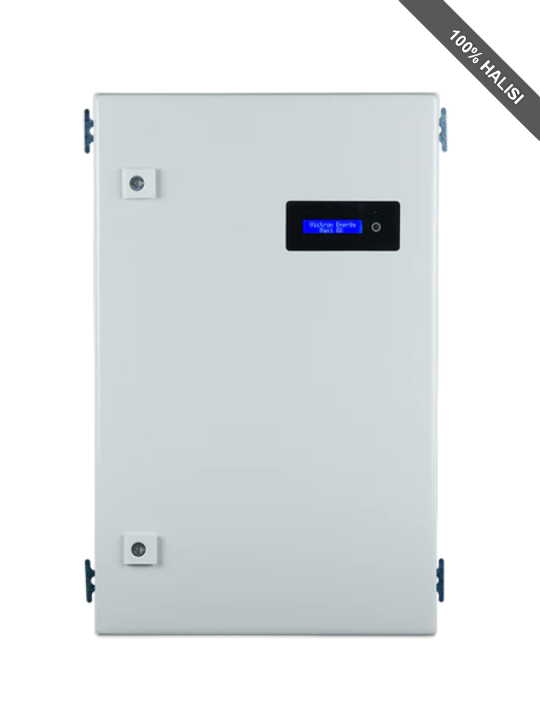
Victron Energy Maxi GX
Victron Energy Maxi GX
Victron Energy Maxi GX
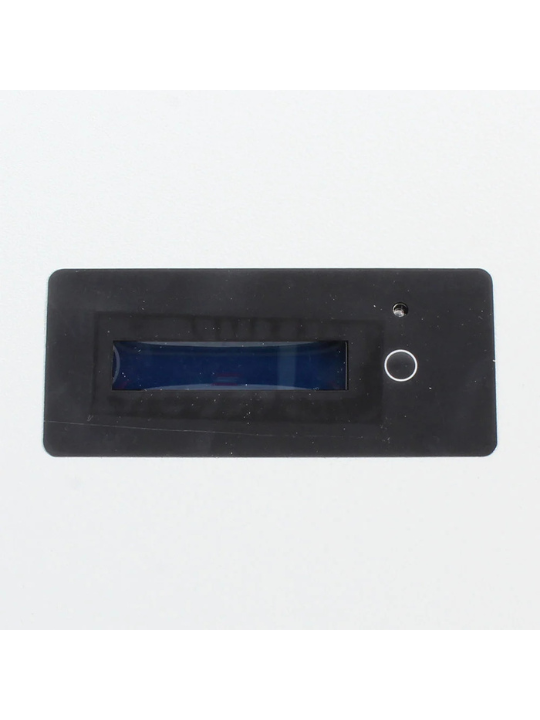

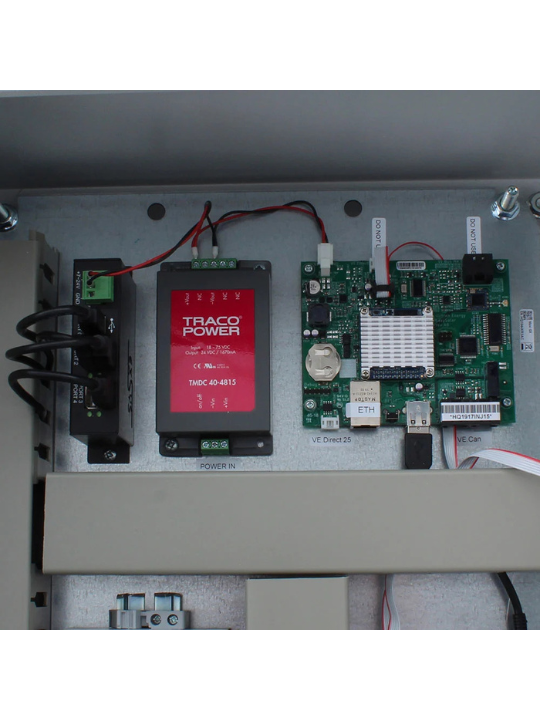
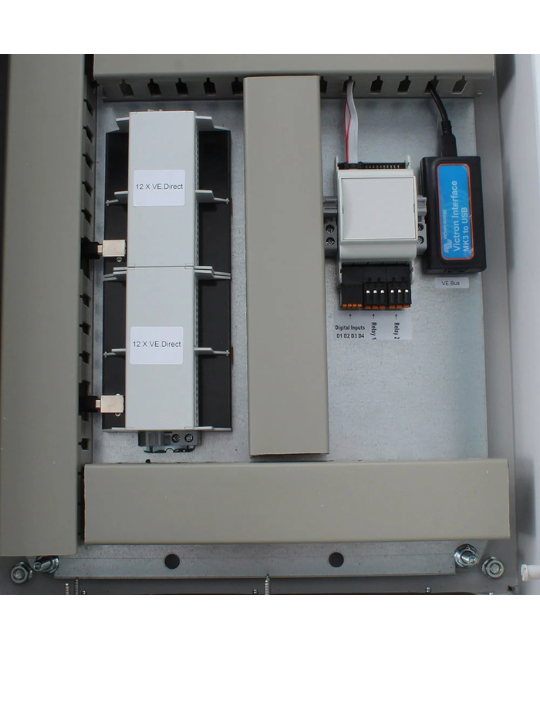
Tsh 4,110,150
- Supports up to 25 VE.Direct ports for multi-MPPT solar systems
- Acts as the central monitoring and communication hub
- High-performance CPU for fast system response and reliable control
- Integrated remote monitoring via VRM for easy access anywhere
- Automatic generator start/stop for hybrid power management
- Strong, industrial-grade build for rugged environments
- Compatible with inverters, chargers, MPPTs, batteries, and sensors
- Ideal for large off-grid, commercial, and rural electrification systems
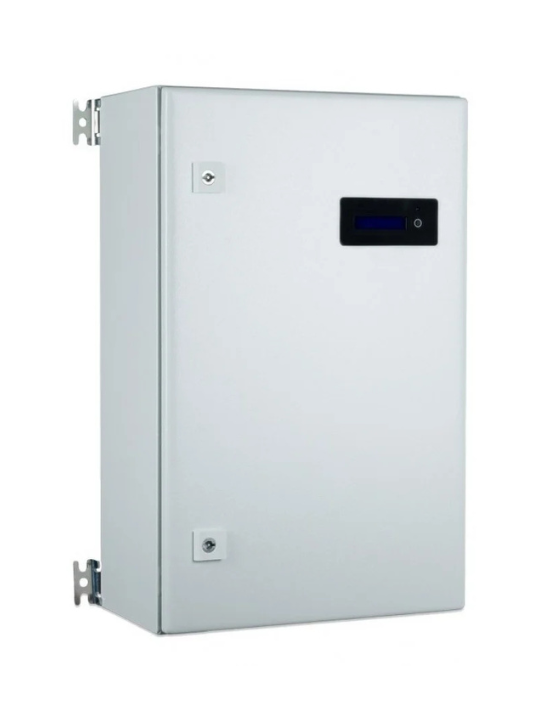
The Maxi GX is a central communications and monitoring module from Victron Energy — part of their GX product family. It acts as the “brain” of a multi-component energy system: collecting data, managing communication between components (solar chargers, inverters/chargers, batteries, generator, etc.), and enabling centralized monitoring and control.
Features & Benefits
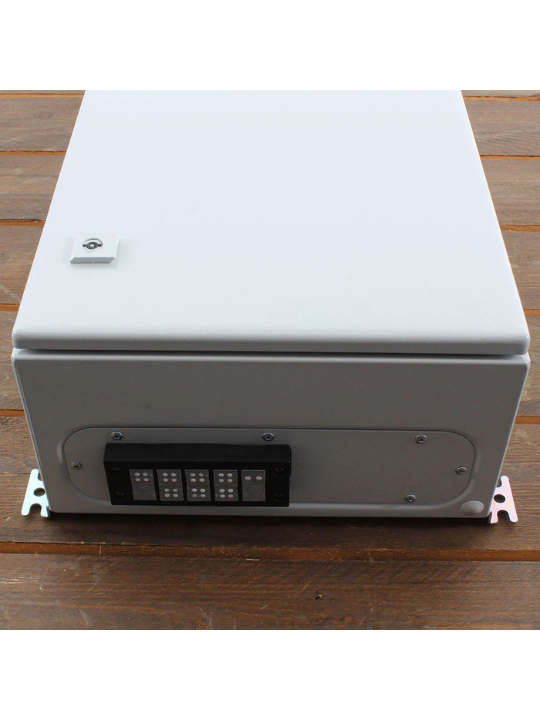
- Multi-port connectivity & expandability: 25 isolated VE.Direct ports (for MPPT solar chargers or battery monitors), plus other communication interfaces (VE.Bus, VE.Can/CAN-bus or BMS-CAN, USB, Ethernet) — enabling connection of an extensive number of devices in one system.
- Central system monitoring & control: All connected components (solar chargers, inverters/chargers, batteries) are monitored and managed through the GX — providing a bird’s-eye view of the full power installation’s status, performance, and health.
- Remote access and management via Victron Remote Management (VRM): You (or your installer) can log in remotely — from anywhere in the world — to check data, change settings, view diagnostics, even update firmware. Great for off-grid systems, installations in remote areas, or installations managed by third parties.
- Automatic generator start/stop control: For hybrid solar + battery + generator setups, the Maxi GX can be programmed to automatically start the generator when certain conditions are met (e.g., battery low voltage, high demand, low battery state of charge), and stop it when conditions are normal. It can also delay start to avoid disturbance during “quiet times” (e.g. at night).
- Remote Console: A web-based interface (accessible via local LAN/WiFi or via internet) allowing full control over the system — configuration, status monitoring, debugging.
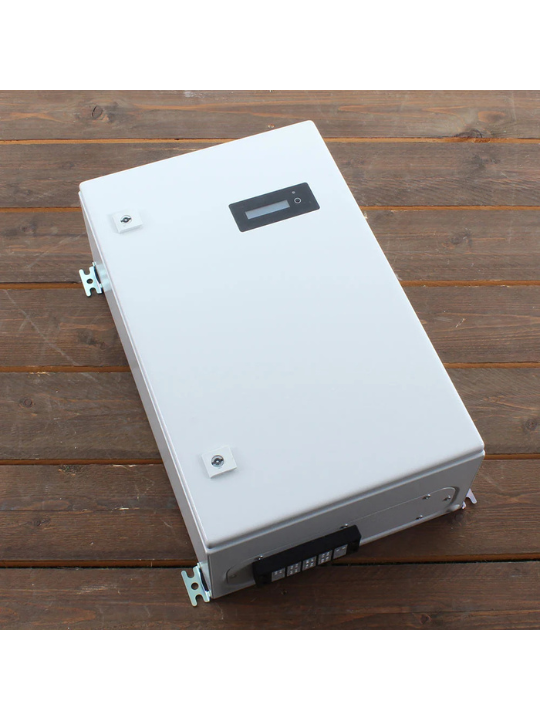
- Robust & industrial-grade build: Enclosed in a steel IP65 (or higher) weather-resistant enclosure, allowing installation in harsher environments, dusty or damp locations — suitable for demanding solar/battery setups.
Use Cases
- Large off-grid or hybrid solar + battery + generator installations : e.g. remote homes, rural electrification projects, lodges, small businesses, farms : where there are multiple solar chargers (MPPTs), batteries, inverters, maybe generator backup.
- Commercial or semi-commercial solar/battery systems : when multiple solar arrays or many panels require several MPPTs, and centralized control & monitoring is necessary.
- Installations requiring remote monitoring, maintenance, and control : especially when located in remote or hard-to-access locations; VRM + remote console allow operators or service providers to monitor, configure, and troubleshoot from anywhere in the world.
- Hybrid setups needing automation : for example, automatic generator control (start/stop based on battery/charge/load) to ensure reliability without manual intervention.
Value Propositions
- It brings scalability : with up to 25 VE.Direct ports, you can connect many solar chargers or battery monitors; ideal if you plan to expand or run a large system.
- It enables centralised control & visibility : all devices talk through one hub, which simplifies monitoring, logging, maintenance, and configuration.
- Remote management & flexibility : VRM support means you don’t need to be physically present to monitor or manage the system; very useful for remote systems or service-provider managed sites.
- Automation of backup power (generator) : and smarter power-management logic : reduces manual intervention, improves reliability and convenience.
- Durability & suitability for rugged environments : robust enclosure and industrial-grade build make it appropriate for remote, dusty, or humid settings often found in off-grid or developing-market installations.
Local Market Positioning in Tanzania
- Solar + battery backup systems for remote/off-grid households, lodges, or community buildings.
- Commercial solar farms with many solar panels / MPPT controllers, needing central management.
- Hybrid systems combining solar, battery, and generator — especially where grid stability is not guaranteed, and automatic generator control is an advantage.
- Higher procurement cost (import + shipping + taxes).
- Potential support / spare-parts / warranty limitations.
- Risk that future firmware or system upgrades (by Victron) may not support EOL hardware indefinitely.
Technical Specification
| Category | Specification |
|---|---|
| Product Type | GX System Monitoring & Control Device |
| Model | Maxi GX |
| CPU Performance | High-performance processor for large systems |
| VE.Direct Ports | 25 ports (ideal for systems with many MPPTs) |
| VE.Can / CAN-Bus | 1 × CAN bus port (for BMS or CAN-enabled devices) |
| VE.Bus Ports | 2 × VE.Bus ports (for inverters/chargers) |
| USB Ports | 2 × USB ports (for WiFi, accessories, storage) |
| Ethernet | 1 × Ethernet LAN port |
| Digital Inputs | 2 × digital inputs |
| Relay Outputs | 1 × programmable relay (e.g., generator start) |
| Remote Monitoring | Full VRM (Victron Remote Management) support |
| Local Interface | Remote Console (via LAN/Internet) |
| Enclosure | Steel industrial Rittal enclosure |
| Power Supply Range | 9–70 V DC (typical GX power input) |
| Operating Temperature | –20°C to +50°C (varies by installation conditions) |
| Mounting Type | Wall-mounted industrial enclosure |
| Ideal Applications | Large off-grid systems, multi-MPPT arrays, hybrid solar + generator systems |

Save More
Keep more of your money.With our efficient online operation our savings become your savings

Free Same Day Delivery
Spend over 100,000/- with us and qualify for free delivery in Dar Es Salaam. Standard delivery is just 5,000/-*

100% Warranty Goods
Unlike other online retailers we chose our suppliers carefully ensuring genuine goods backed by genuine warranties

7 Day Return
Something faulty with your product? No problem. We will arrange for an easy pick up and refund of your order within 7 days*.
Shop with complete peace of mind.
*Only available for products delivered in Dar es Salaam
Related products

EVI Power 400W High-Power Solar Street Light No Sensor- 4620lm Brightness, 35AH Battery & 46W Solar Panel
Original price was: Tsh 350,000.Tsh 330,000Current price is: Tsh 330,000.

EVI Power DC Fuse Holder With Fuse, 2 Pole 30A
Original price was: Tsh 50,000.Tsh 38,000Current price is: Tsh 38,000.

EVI Power 12V 200Ah Deep Cycle Solar Power Battery
Original price was: Tsh 1,000,000.Tsh 950,000Current price is: Tsh 950,000.

EVI Power 8-Way Solar PV Combiner Box with DC SPD, 32A 500V Protection System, 2-Input Solar Array Combiner
Original price was: Tsh 260,000.Tsh 240,000Current price is: Tsh 240,000.

EVI Power 12.8V 100Ah LiFePO4 Battery with Smart BMS | 1.28kWh Lithium Iron Phosphate Solar Battery | IP65 Rated
Original price was: Tsh 820,000.Tsh 780,000Current price is: Tsh 780,000.
Fortuner Deep Cycle Solar Battery, 12V/150Ah AGM, Maintenance-Free – FR12-150D
Original price was: Tsh 820,000.Tsh 780,000Current price is: Tsh 780,000.

EVI Power 51.2V 100Ah LiFePO4 Wall Mounted Battery Pack with LCD Display – 5.12kWh Capacity, 80% DOD 6000+ Cycles, 5-Year Warranty (EVIA100LFP-51.2W)
Original price was: Tsh 4,830,000.Tsh 4,600,000Current price is: Tsh 4,600,000.

EVI Power DC MCCB, 1 Pole, 160A, 1 Year Warranty
Original price was: Tsh 110,000.Tsh 97,000Current price is: Tsh 97,000.