- Your cart is empty
- Continue Shopping


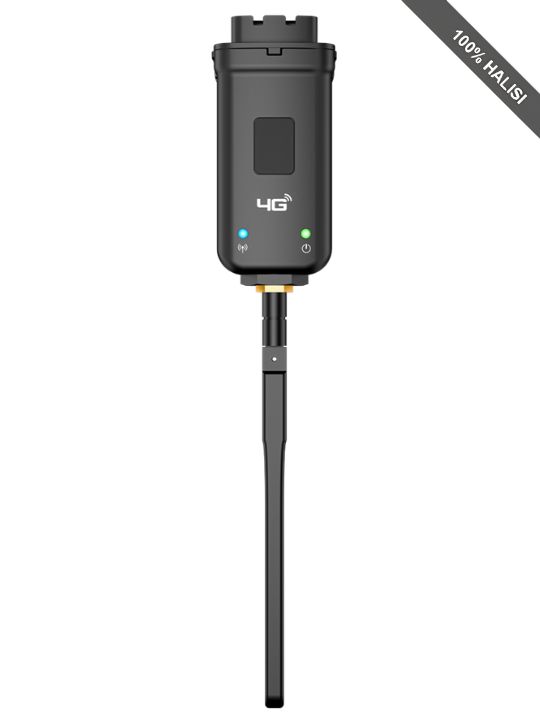
GoodWe – 4G Module Kit – 10-GOO-0801
GoodWe – 4G Module Kit – 10-GOO-0801
GoodWe – 4G Module Kit – 10-GOO-0801
Tsh 227,900
- Enables 4G network connectivity for GoodWe inverters
- Plug & Play installation – easy to set up and use
- Supports multiple global carriers for wide compatibility
- Ensures stable data transfer and remote monitoring
- Compact and durable design for long-lasting performance
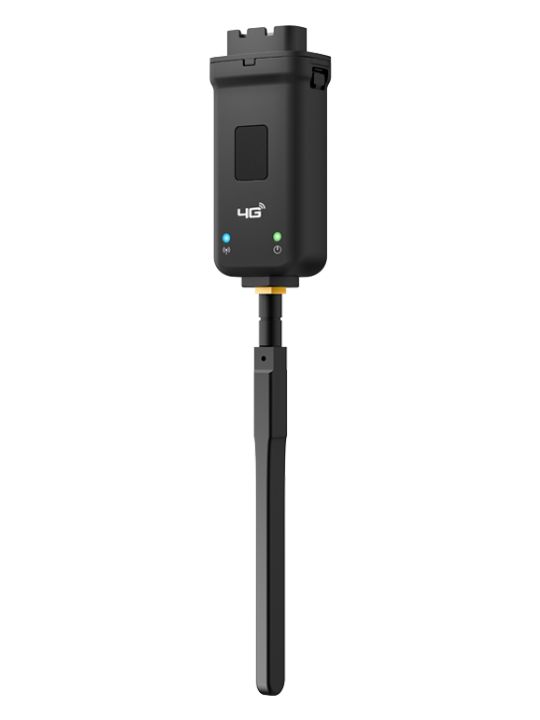
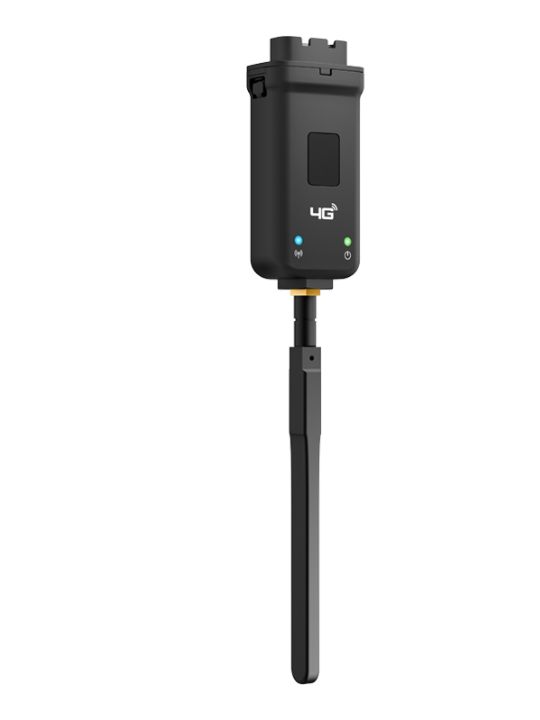
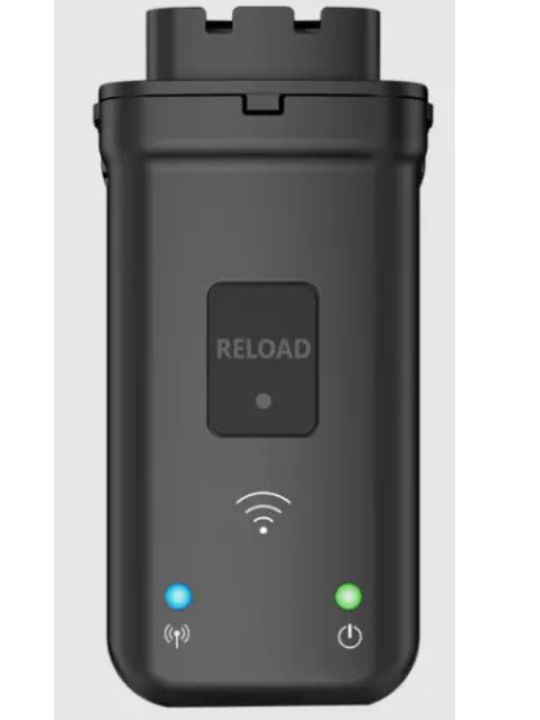
The GoodWe 4G Module Kit is a compact, plug-and-play communication accessory designed for solar inverter systems that enables 4G cellular connectivity in places where Wi-Fi or wired networking may be unreliable or unavailable. It allows the connected inverter (and thereby the monitoring system) to report operational data via mobile networks. With a rugged IP65 rated enclosure and low self-consumption, it suits outdoor or remote locations. According to GoodWe, “the 4G Module is easy to install with a plug & play design and can support several carriers worldwide. The 4G Module offers customers convenience and reliability, especially in remote areas without access to Wi-Fi.
Features & Benefits
- Plug-and-Play Installation: The unit is designed for quick connection (via USB or compatible interface) to a GoodWe inverter or monitoring interface, requiring minimal setup.
- Carrier Flexibility: Supports multiple cellular operators globally (subject to local frequency band compatibility and SIM-card provisioning). This enables remote monitoring even when Wi-Fi is unavailable.
- Outdoor-Ready Design: IP65 rating ensures resistance to dust ingress and water jets—this suits installations in exposed environments, e.g., rooftop or outdoor enclosures.
- Low Power Draw: With consumption under 4 W, it imposes minimal overhead on the system.
- Wide Operating Temperature: Can function reliably in harsh climates (from –30 °C cold to +60 °C hot), making it suitable for diverse environments.
- Compact Form-Factor: Small size facilitates installation in tight inverter compartments or enclosure spaces.
- Compatible with Monitoring Systems: Works in tandem with GoodWe’s monitoring platforms (for example, SEMS portal) enabling remote performance data, alerts, diagnostics.
Use Cases
- Remote Solar Installations: In Tanzania or other areas with sparse or unreliable Wi-Fi/internet networks, this module enables solar systems to report performance data via the cellular network.
- Off-Grid or Hybrid Systems: Even in grid-tied systems where Wi-Fi is not feasible (e.g., solar farms, large rooftop arrays), the 4G Module ensures continuous connectivity for monitoring.
- Commercial & Residential Solar Projects: From a single-phase rooftop system to small commercial installs, the module gives a simple way to add cellular connectivity.
- System Maintenance & Monitoring: Installers and system owners can receive remote alerts, fault notifications and performance reports without site visits.
- Hard-to-Reach Installations: Locations such as rural homes, lodges, remote camps, off-grid resorts where network connectivity infrastructure is weak benefit significantly.
Value Propositions
- Bridging Connectivity Gaps: In many parts of Tanzania, stable Wi-Fi/internet access may not be guaranteed, particularly in rural or semi-urban solar installations. Using 4G connectivity via this module ensures the solar system remains connected and monitored.
- Resilience in Harsh Conditions: With its IP65 rating and wide temperature tolerance, the module is suitable for Tanzania’s varied climate (hot, dusty, sometimes humid).
- Ease of Installation: For local solar installers, the plug-and-play nature reduces commissioning time and complexity—important in markets where specialist labour may be limited.
- Support for Multiple Carriers: Tanzania has various mobile network operators; the module’s worldwide carrier support means that local SIM cards can be used, enabling local connectivity plans rather than only Wi-Fi.
- Cost-Effective Monitoring Enhancement: By enabling cellular connectivity without full Wi-Fi infrastructure, it helps system owners and EPCs (engineering, procurement & construction firms) enhance monitoring and service capability at a modest incremental cost.
- Added Value for System Owners: For homeowners, commercial installations (shops, lodges, farms) or small-scale developers, the ability to monitor energy production, system health and get alerts adds significant peace of mind and operational visibility.
- Future-Proofing: As Tanzania’s networks mature, the module ensures the system remains connected and compatible with newer monitoring standards.
Local Market Positioning in Tanzania
- Check local network bands: Although the module supports many global LTE/WCDMA bands, ensure the specific variant (e.g., 4G Kit-EC/AU/US) is compatible with the carrier bands used by Tanzanian mobile operators (such as Vodacom, Airtel, Tigo) before order.
- SIM card & data plan: Local installation will need a SIM card with an appropriate data plan (likely low-data usage for telemetry). Ensure local EPCs/owners budget for this.
- Installation environment: While IP65 rated, ensure it is mounted in a location with mobile signal strength—rooftop or near inverter location may need checking.
- Retrofitting older systems: If installing in existing GoodWe inverter installations, verify compatibility with the firmware version and monitoring platform.
- Supply chain & warranty: Confirm local distributor support, warranty service and spare availability in Tanzania or East Africa region.
- Promote monitoring value: Emphasise to customers that connectivity allows real-time insights, helps detect faults early, ensures optimal performance and maintenance—thereby long-term value.
Technical Specification
| Specification | Value |
|---|---|
| Model(s) | 4G KIT-EC / 4G KIT-AU (and 4G-US series) |
| Input / Power Supply | 5 V |
| Self-Consumption | < 4 W |
| Protection / Enclosure Rating | IP65 |
| Operating Temperature Range | –30 °C to +60 °C |
| Storage Temperature Range | –40 °C to +70 °C |
| Relative Humidity | 0–100% (non-condensing) |
| Maximum Operating Altitude | ≤ 4 000 m |
| Connection Interface | USB (for inverter interface) |
| Max. Number of Inverters Supported | 1 |
| Installation Style | Plug & Play design |
| Typical Applications | Remote monitoring of solar inverter systems where Wi-Fi is not available |
| Weight | 0.20 kg |
|---|

Save More
Keep more of your money.With our efficient online operation our savings become your savings

Free Same Day Delivery
Spend over 100,000/- with us and qualify for free delivery in Dar Es Salaam. Standard delivery is just 5,000/-*

100% Warranty Goods
Unlike other online retailers we chose our suppliers carefully ensuring genuine goods backed by genuine warranties

7 Day Return
Something faulty with your product? No problem. We will arrange for an easy pick up and refund of your order within 7 days*.
Shop with complete peace of mind.
*Only available for products delivered in Dar es Salaam
Related products
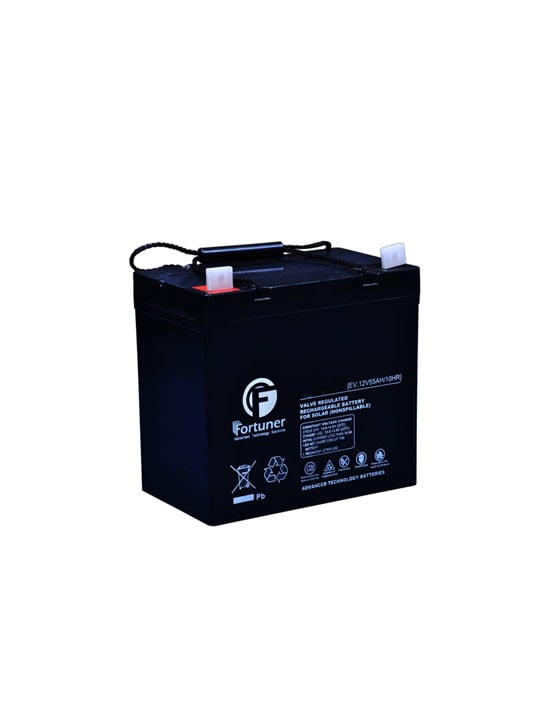
Fortuner Deep Cycle Solar Battery, 12V/50Ah AGM, Maintenance-Free – FR12-50D
Original price was: Tsh 290,000.Tsh 270,000Current price is: Tsh 270,000.

EVI Power 6000VA/6000W Pure Sine Wave Professional Hybrid Solar Inverter with MPPT Technology – 48VDC Battery Compatible, WiFi Monitoring, Parallel Operation
Original price was: Tsh 3,020,000.Tsh 2,870,000Current price is: Tsh 2,870,000.

EVI Power 51.2V 200Ah LiFePO4 Rack Mounted Battery Pack with LCD Display – 10.24kWh Capacity, 80% DOD 6000+ Cycles, 5-Year Warranty (EVIA200LFP-51.2R)
Original price was: Tsh 8,290,000.Tsh 7,890,000Current price is: Tsh 7,890,000.

EVI Power 300W Solar Street Light with Motion Sensor & Remote Control – 410 Lumens, 7Ah Lithium Battery, Weather Resistant
Original price was: Tsh 140,000.Tsh 135,000Current price is: Tsh 135,000.

EVI Power 12.8V 100Ah LiFePO4 Battery with Smart BMS | 1.28kWh Lithium Iron Phosphate Solar Battery | IP65 Rated
Original price was: Tsh 820,000.Tsh 780,000Current price is: Tsh 780,000.
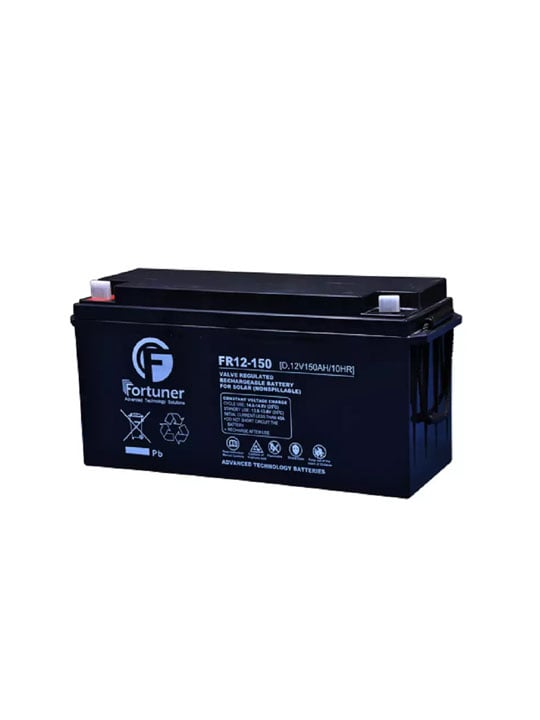
Fortuner Deep Cycle Solar Battery, 12V/150Ah AGM, Maintenance-Free – FR12-150D
Original price was: Tsh 820,000.Tsh 780,000Current price is: Tsh 780,000.

EVI Power 410W Monocrystalline Solar Panel – Half-Cell Design, High Efficiency
Original price was: Tsh 270,000.Tsh 250,000Current price is: Tsh 250,000.

EVI Power 12V 200Ah Deep Cycle Solar Power Battery
Original price was: Tsh 1,000,000.Tsh 950,000Current price is: Tsh 950,000.