- Your cart is empty
- Continue Shopping


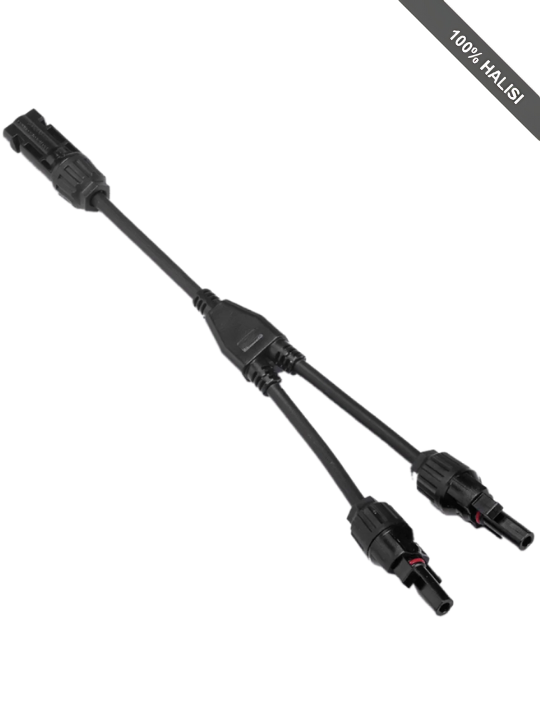
EcoFlow Solar Parallel Connection Cable
EcoFlow Solar Parallel Connection Cable
EcoFlow Solar Parallel Connection Cable

Tsh 42,400
- Connects solar panels in parallel to boost charging efficiency
- Required for connecting 4 panels to EcoFlow DELTA Series
- Required for connecting 2 panels to EcoFlow RIVER Series
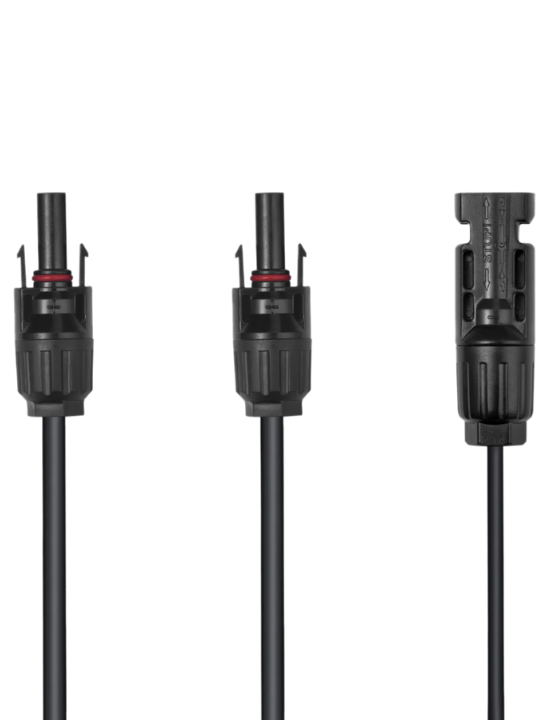
- Durable MC4 connectors for safe, weather-resistant use
- Compact, easy-to-use plug-and-play design
- Enhances power station performance in off-grid solar systems
- Ideal for solar setups in sunny regions like Tanzania
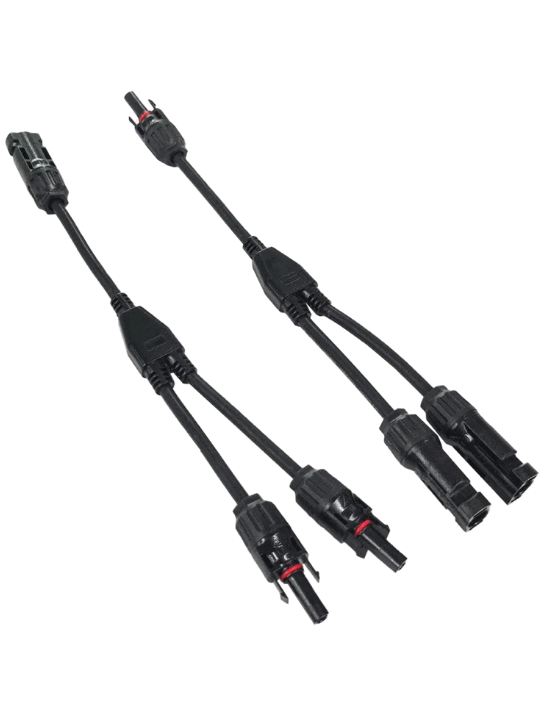
The EcoFlow Solar Parallel Connection Cable is a specially designed accessory for use with the EcoFlow DELTA and RIVER series power stations. It allows solar panels to be connected in parallel, increasing the input current and thereby accelerating charging of the power station when using solar panels. The cable typically comes in a two-piece set.
Features & Benefits
- Improved charging rate: By connecting solar panels in parallel, you increase the available current, allowing the power station to charge faster when solar conditions permit.
- Plug-and-play simplicity: Designed for EcoFlow systems with compatible solar panel connectors (MC4), making expansion simpler for users.
- Flexible system design: Enables users to expand solar input capacity (for instance from “one panel” to two or four panels) without re-wiring each panel separately into independent inputs.
- Robust build: Built for solar installations – the MC4 connectors are standard in solar installations, weather- and UV-resistant in many cases (though local installation conditions still matter).
- Compact accessory cost: Compared to buying additional larger cables or custom junction boxes, the parallel cable provides a cost-effective way to expand panel count.
Use Cases
- Residential solar backup: In homes using EcoFlow DELTA or RIVER power stations as backup or off-grid support, this cable lets them tie in 2-4 panels easily to increase solar input — especially useful in Tanzania where solar insolation is strong.
- Small business / kiosk use: For small shops, kiosks or remote offices powered by an EcoFlow station, expanding solar panel count accelerates recharge during sunshine hours, reducing dependency on mains or generator backup.
- Mobile/Outdoor setups: For off-grid cabins, guest lodges, safari tents or remote camps in Tanzania, where you may deploy EcoFlow stations plus portable solar panels: the parallel cable allows connecting more panels to fill the station faster.
- Hybrid solar-storage installations: For installers who deploy EcoFlow stations as part of mini-grid or micro-solar storage solutions in remote Tanzanian villages, combining multiple panels in parallel simplifies wiring and improves performance under variable sunlight and load conditions.
Value Propositions
- Optimising solar harvest: Given Tanzania’s generally good sunshine hours, the ability to parallel multiple solar panels means faster charge of storage units and reduced downtime — important for households or businesses facing grid unreliability.
- Expandable and scalable: Customers can start with one or two solar panels and later add more, using the parallel cable to increase capacity without major rewiring — promoting modular growth.
- Reliability and brand support: With the EcoFlow ecosystem, users can rely on a recognised brand, compatible accessories, and standard connectors (MC4) which simplify sourcing local panels and parts.
- Cost‐effectiveness for increased capacity: Instead of replacing cables or custom junction boxes, the parallel cable is a relatively simple accessory to increase current input, lowering the incremental cost of upgrading solar input.
- Installation convenience in local context: For Tanzanian installers and users, using standard MC4 connectors and pre-designed accessories reduces wiring errors, simplifies installations and maintenance, which is beneficial in areas with limited technical support.
- Reduced grid-/fuel-dependency: By improving solar charging efficiency, users reduce reliance on grid power or petrol/diesel generators — aligning with renewable energy goals and cost savings for Tanzanian households and small businesses.
Local Market Positioning in Tanzania
- Highlight compatibility: Emphasise that the cable works with EcoFlow DELTA and RIVER series units (and any compatible solar panels with MC4 connectors) — this clarity builds user confidence.
- Installation check: Recommend local installers verify that their solar panel setup (voltage, current, number of panels) is suitable for parallel connection, and that wiring, shading and orientation are correct for optimum performance in Tanzanian latitudes.
- Local panel sourcing: Many users will source solar panels locally; emphasise that standard MC4‐terminated panels are compatible, so they don’t need proprietary panels — this helps reduce cost and sourcing risk.
- Weather/installation conditions: In Tanzania, consider UV exposure, rainfall and dust; advise using proper routing, UV-resistant conduit where exposed, and periodic inspection of connectors.
- Market entry communication: Use messaging like “Expand your solar input easily”, “Connect multiple panels for faster charge”, “Designed for EcoFlow power stations”, and localise currency and shipping/installation options.
- Pricing and availability: Given import duties, shipping costs, and local distribution, ensure that local pricing reflects value relative to competing accessories. Emphasise that for the modest accessory cost, you can significantly boost charging performance.
- After-sales support: Provide local installation/tech support details, and mention that the cable is part of the EcoFlow ecosystem, which may facilitate warranty or support services.
- Education for installers/users: Because parallel wiring carries higher currents and requires correct polarity, it may be useful to include simple instructions or caution about matching panel voltages, using proper fusing or disconnects — this builds trust and safety.
Technical Specification
| Specification | Details |
|---|---|
| Product Name | EcoFlow Solar Parallel Connection Cable |
| Compatible Systems | EcoFlow DELTA series, EcoFlow RIVER series |
| Connection Type | Parallel connection of solar panels |
| Required Panels – DELTA | 4 solar panels in parallel |
| Required Panels – RIVER | 2 solar panels in parallel |
| Colour | Black (standard cable colour) |
| Intended Use | To improve charging rate efficiency of solar-to-EcoFlow power station systems |
| Weight | 1.00 kg |
|---|

Save More
Keep more of your money.With our efficient online operation our savings become your savings

Free Same Day Delivery
Spend over 100,000/- with us and qualify for free delivery in Dar Es Salaam. Standard delivery is just 5,000/-*

100% Warranty Goods
Unlike other online retailers we chose our suppliers carefully ensuring genuine goods backed by genuine warranties

7 Day Return
Something faulty with your product? No problem. We will arrange for an easy pick up and refund of your order within 7 days*.
Shop with complete peace of mind.
*Only available for products delivered in Dar es Salaam
Related products

EVI Power 48V 105Ah LiFePO4 Rack Mounted Battery Module – 5.04kWh Energy Storage System, 6000+ Cycles at 80% DOD, 5-Year Warranty
Original price was: Tsh 4,430,000.Tsh 4,210,000Current price is: Tsh 4,210,000.

EVI Power 51.2V 100Ah LiFePO4 Wall Mounted Battery Pack with LCD Display – 5.12kWh Capacity, 80% DOD 6000+ Cycles, 5-Year Warranty (EVIA100LFP-51.2W)
Original price was: Tsh 4,830,000.Tsh 4,600,000Current price is: Tsh 4,600,000.

EVI Power 440W N-Type Half-Cell Monocrystalline Solar Panel
Original price was: Tsh 290,000.Tsh 270,000Current price is: Tsh 270,000.
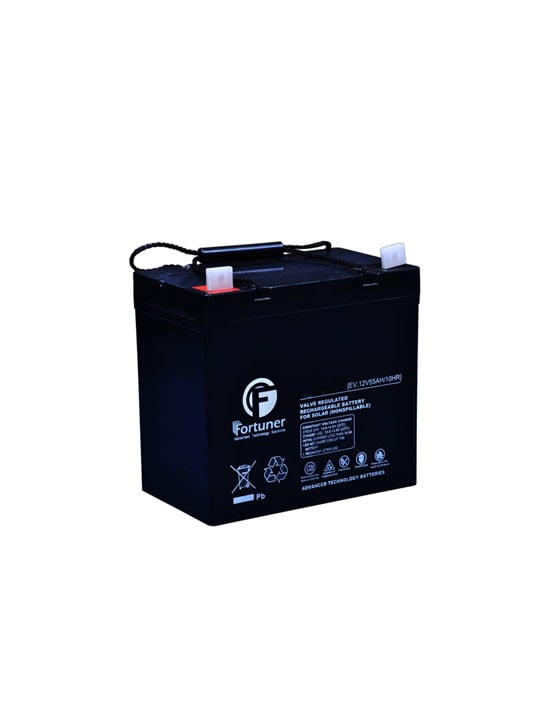
Fortuner Deep Cycle Solar Battery, 12V/50Ah AGM, Maintenance-Free – FR12-50D
Original price was: Tsh 290,000.Tsh 270,000Current price is: Tsh 270,000.

EVI Power 12V 100Ah Deep Cycle Solar Power Battery
Original price was: Tsh 460,000.Tsh 430,000Current price is: Tsh 430,000.

EVI Power 12.8V 100Ah LiFePO4 Battery with Smart BMS | 1.28kWh Lithium Iron Phosphate Solar Battery | IP65 Rated
Original price was: Tsh 820,000.Tsh 780,000Current price is: Tsh 780,000.

EVI Power 3000VA/3000W Pure Sine Wave Smart Hybrid Solar Inverter with MPPT Charger – 24V DC, 80A Charging, Wi-Fi Monitoring
Original price was: Tsh 1,450,000.Tsh 1,380,000Current price is: Tsh 1,380,000.

EVI Power 12V 200Ah Deep Cycle Solar Power Battery
Original price was: Tsh 1,000,000.Tsh 950,000Current price is: Tsh 950,000.