- Your cart is empty
- Continue Shopping


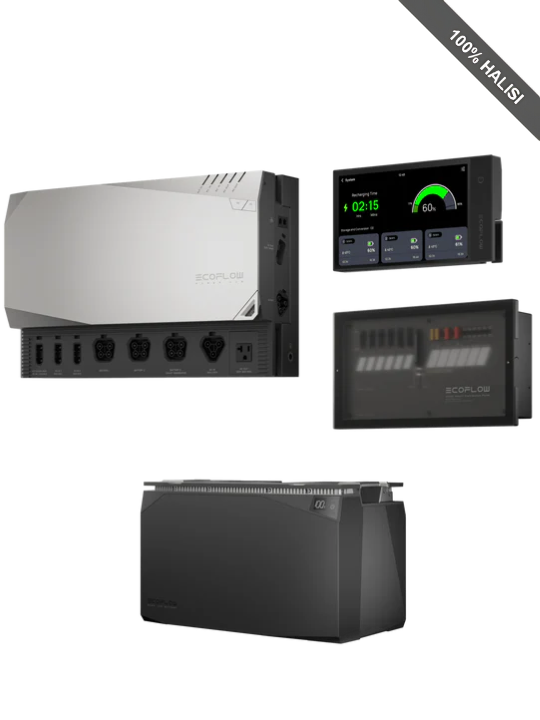
Ecoflow Independence Solar Power System
Ecoflow Independence Solar Power System
Ecoflow Independence Solar Power System
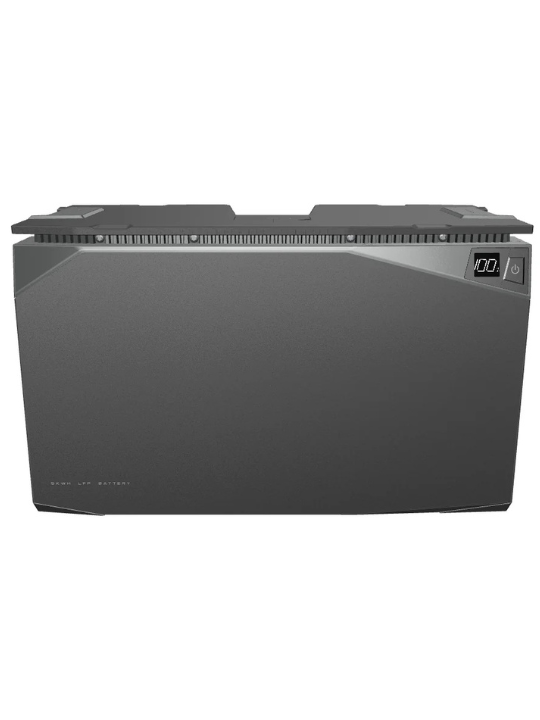
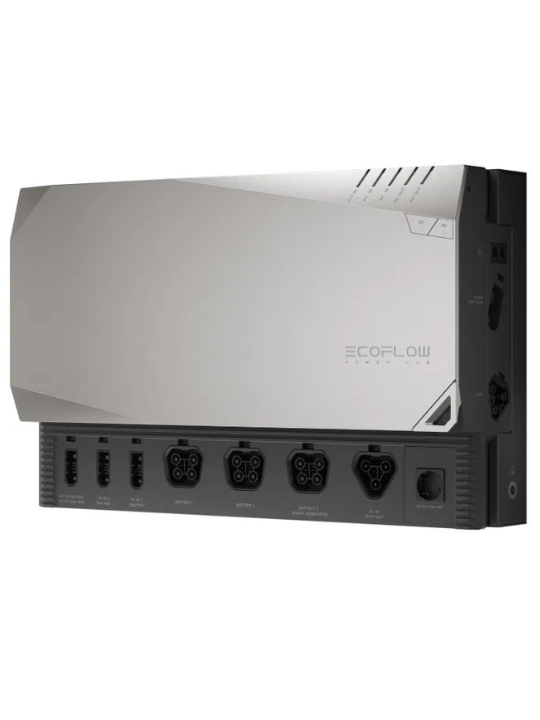
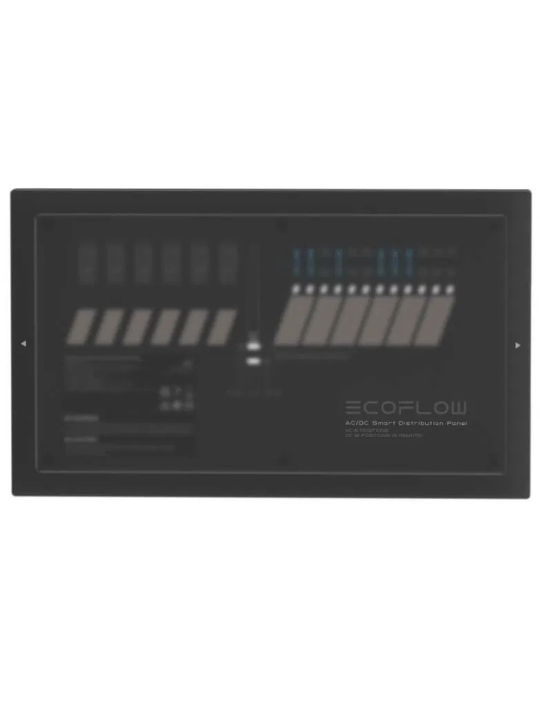
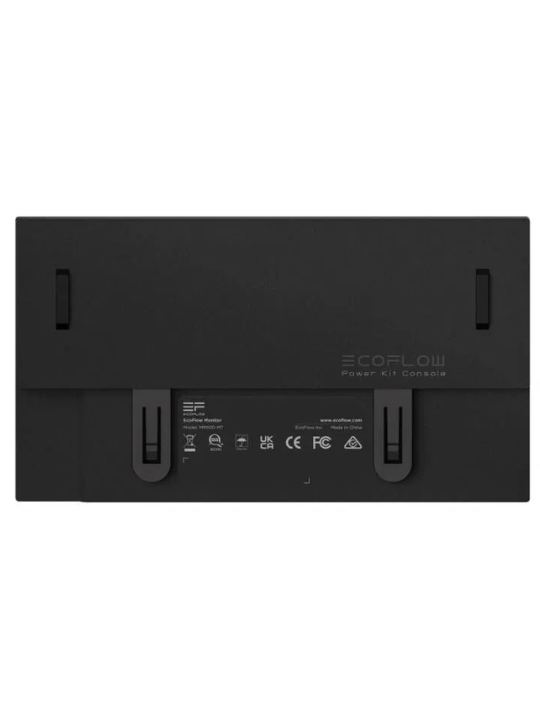
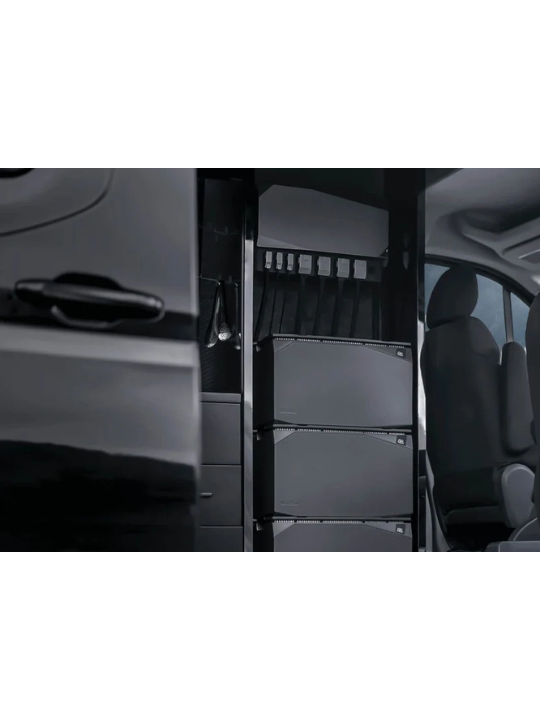
- Modular LiFePO₄ battery system (stackable 5 kWh units to 15 kWh) for flexibility.
- Built-in Power Hub integrates inverter, charger, MPPT solar controllers and DC-DC converters—all in one.
- 48V system design for safer, more efficient wiring (especially suited for RVs, tiny homes, off-grid setups).
- Multiple charging inputs: solar up to ~4.8 kW, alternator up to ~1 kW, shore power ~3 kW, smart generator ~1.8 kW (for some models)
- Real-time monitoring and control via mobile app + display console for energy usage, system status and configuration.
- Compact, integrated design with space-saving components, suitable for homes, cabins, RV or off-grid installations.
The EcoFlow Independence Power Kits (5 kWh and 10 kWh versions) present a modular, integrated, plug-and-play solar power and energy-storage solution. They are designed for environments with unreliable grid power, frequent outages or remote installations—making them highly relevant for Tanzanian households, businesses, lodges and off-grid installations.
Features & Benefits
- Four charging methods : gives flexibility: solar, alternator, shore power, generator input. Ensures power even when grid or one source is unreliable.
- Plug-and-play modular system : simplifies installation, stacking batteries to increase capacity, fewer separate components.
- Integrated Power Hub : combines inverter-charger, two MPPT solar charge controllers, DC-DC converters into one unit (reducing wiring complexity).
- Stackable batteries : allows scaling (e.g., 5 kWh base → up to ~15 kWh by stacking).
- 48 V system architecture : safer than lower voltage systems, less copper required, potentially more efficient for higher loads.
- Smart remote monitoring & control : via mobile app/console: track usage, adjust, automate charging/discharging schedules.
- Compact footprint : useful where space is constrained (homes, offices, small commercial setups).
- High reliability and safety : LFP chemistry offers longer cycle life and better thermal stability; integrated BMS.
Use Cases
- Residential backup power: For households facing frequent grid outages, load-shedding or unstable supply – this kit provides a robust storage + inverter solution.
- Off-grid homes or remote locations: For rural or peri-urban homes not connected reliably to grid, combined with solar panels.
- Small business / commercial use: Shops, offices, clinics that require uninterrupted power for lights, computers, refrigeration.
- Hospitality / guest-houses / lodges: In tourism or lodging businesses (especially safari lodges or remote guest houses) where grid may be weak, this system ensures guest comfort and business continuity.
- Solar-plus storage systems: In Tanzania’s favourable solar environment, pairing this kit with roof-mounted solar arrays can significantly reduce dependency on diesel/backup generators.
- Scalable installations: Start with 5 kWh base capacity and expand to 10 kWh (or more) as need or budget allows.
Value Propositions
- Flexibility & future-proofing: Ability to stack batteries and plug into multiple charging sources means the system adapts to evolving power needs and infrastructure upgrades.
- Reduced generator/diesel reliance: In a market where grid is unstable and fuel costs high, being able to charge via solar + shore + alternator reduces operational costs and noise/pollution from generators.
- Quick installation & lower complexity: The integrated hub reduces installation time and technical overhead compared with separate inverter + charge controller + battery bank setups.
- High quality and safety: LFP chemistry, BMS, and 48 V architecture make this a safer choice for high-usage or continuous operation environments.
- Space saving: For Tanzanian homes or commercial buildings where space is limited, the compact modular units help.
- Smart monitoring: Local installers and users can monitor performance, detect issues early, and optimize usage – valuable in regions where after-sales service and monitoring may be less accessible.
- Cost-efficient over time: Though initial investment may be higher, the savings on diesel/generator fuel, maintenance, and avoided outage costs make this attractive in the medium to long term.
Local Market Positioning in Tanzania
- Target audience: Middle to upper-income homeowners, small businesses (shops, clinics, guest houses), off-grid or weak-grid regions (remote lodges, rural electrification projects).
- Competitive edge: In Tanzania, grid reliability is variable and generators/fuel costs are high; a kit that offers solar/fuel-independent charging and modular expandability gives a strong value proposition.
- Installation considerations: Local solar installers, battery technicians and inverters market exist in Tanzania; positioning this as a premium, reliable branded solution (EcoFlow) would align with customers seeking quality and long-term value rather than lowest cost.
- Logistics & support: Emphasise local availability of parts, warranty support, and training for local technicians – this builds confidence.
- Finance/Payback story: Emphasise total cost of ownership, fuel/generator cost savings, and return on investment in Tanzanian shillings (TZS) or USD equivalence, making the case tangible for local investors.
- Solar compatibility: Given Tanzania’s high solar resource, pairing the kit with solar modules (local supply) can be marketed as “solar + storage” turnkey solution.
- Scalability messaging: Promote that one can start with the 5 kWh kit and expand to 10 kWh or beyond (e.g., stack more batteries) as their demand grows or business expands.
- Applications emphasised for Tanzania: Uninterruptible power for medical clinics, remote lodges powering lights and AC units, agriculture/pumping systems, homeowner backup during load-shedding.
- After‐sales service & training: Highlight local service network, training of technicians, and local stock of consumables (like batteries, wiring) to reduce downtime.
- Import and regulatory aspects: Ensure messaging covers compliance with local standards, shipping, warranty logistics, and emphasise that the system is designed for safe operation (48 V system, certified components).
Technical Specification
| Specification | 5 kWh Power Kit | 10 kWh Power Kit |
|---|---|---|
| Charging methods | Up to 4800 W solar, 1000 W alternator, 3000 W shore power, 1800 W Smart Generator input. | Same charging method |
| System voltage | 48 V system (safer, reduces current and heat) | Same |
| Installation / design | Plug-and-play modular design; compact integrated design (all-in-one inverter “Power Hub”) | Same modular plug-and-play; compact integrated design for space saving |
| Expandability / battery stacking | Stackable batteries; for 5 kWh base you can stack up to three of the 5 kWh battery to reach ~15 kWh capacity. | The 10 kWh system accepts up to three 5 kWh LFP batteries (total up to ~15 kWh) as described in some spec sheets. |
| Battery type / capacity (for 5k kit) | LiFePO₄ (LFP) battery; capacity ~5 120 Wh (51.2 V / 100 Ah) | For 10k kit, capacity doubled (via two stacked modules) — typically ~10 240 Wh nominal (though explicit figure may depend on configuration) |
| Power Hub AC output | Pure sine wave, e.g., ~3600 W continuous (surge ~7200 W) for the 5 kWh kit. | Likely similar hub output; specification may vary depending regional version and battery stack |

Save More
Keep more of your money.With our efficient online operation our savings become your savings

Free Same Day Delivery
Spend over 100,000/- with us and qualify for free delivery in Dar Es Salaam. Standard delivery is just 5,000/-*

100% Warranty Goods
Unlike other online retailers we chose our suppliers carefully ensuring genuine goods backed by genuine warranties

7 Day Return
Something faulty with your product? No problem. We will arrange for an easy pick up and refund of your order within 7 days*.
Shop with complete peace of mind.
*Only available for products delivered in Dar es Salaam
Related products

EVI Power 51.2V 100Ah LiFePO4 Rack Mounted Battery Pack with LCD Display – 10.24kWh Capacity, 80% DOD 7000+ Cycles, 5-Year Warranty – EVIA100LFP-51.2
Original price was: Tsh 2,900,000.Tsh 2,760,000Current price is: Tsh 2,760,000.
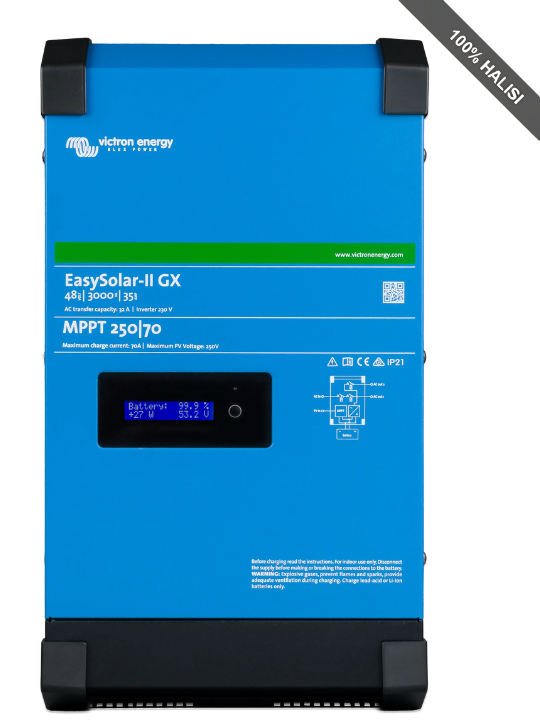

EVI Power 8-Way Solar PV Combiner Box with DC SPD, 32A 500V Protection System, 2-Input Solar Array Combiner
Original price was: Tsh 260,000.Tsh 240,000Current price is: Tsh 240,000.

EVI Power DC Fuse Holder With Fuse, 2 Pole 30A
Original price was: Tsh 50,000.Tsh 38,000Current price is: Tsh 38,000.

EVI Power Black Flexible 6mm² Solar Cable Per Meter MOQ Divisible by 10
Original price was: Tsh 15,000.Tsh 12,000Current price is: Tsh 12,000.

EVI Power DC MCCB, 1 Pole, 160A, 1 Year Warranty
Original price was: Tsh 110,000.Tsh 97,000Current price is: Tsh 97,000.

EVI Power 48V 105Ah LiFePO4 Rack Mounted Battery Module – 5.04kWh Energy Storage System, 6000+ Cycles at 80% DOD, 5-Year Warranty
Original price was: Tsh 4,430,000.Tsh 4,210,000Current price is: Tsh 4,210,000.
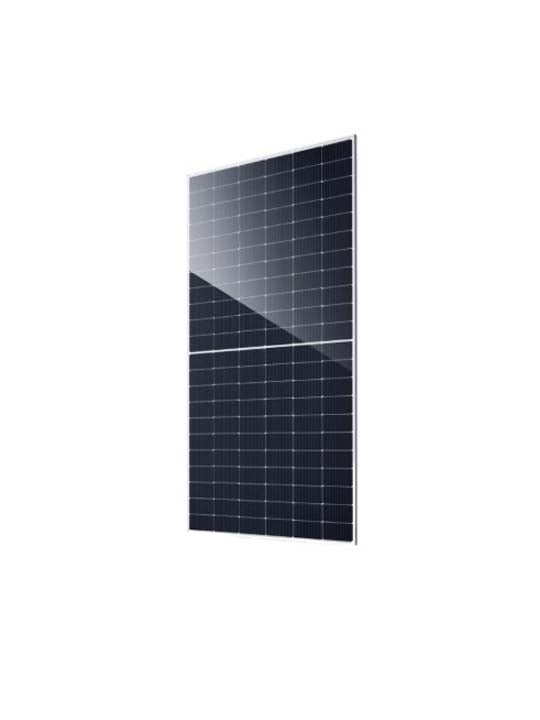
JA Solar 595W Bifacial Solar Panel, N-Type TOPCon Technology, Double Glass – JAM72D40-595/LB
Original price was: Tsh 320,000.Tsh 300,000Current price is: Tsh 300,000.