- Your cart is empty
- Continue Shopping


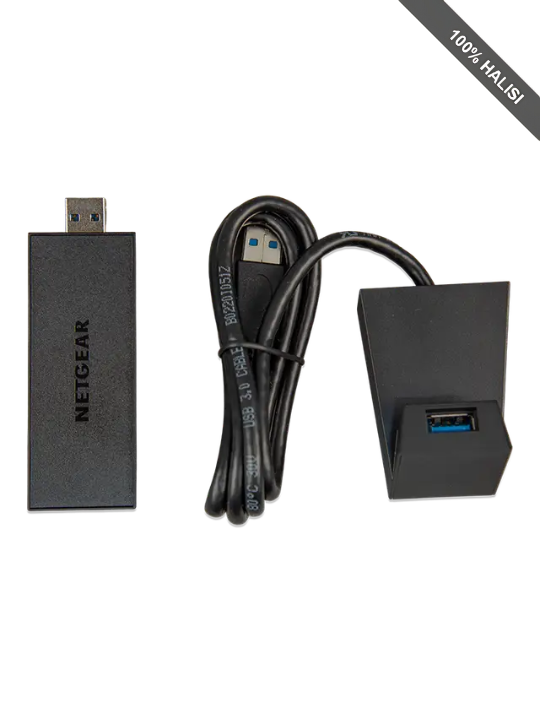
Victron Energy CCGX WiFi Module Long Range (Netgear AC1200)
Victron Energy CCGX WiFi Module Long Range (Netgear AC1200)
Victron Energy CCGX WiFi Module Long Range (Netgear AC1200)
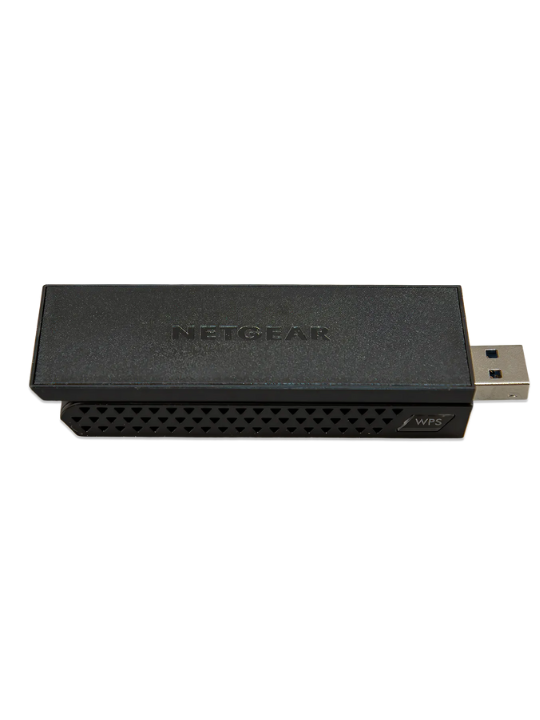
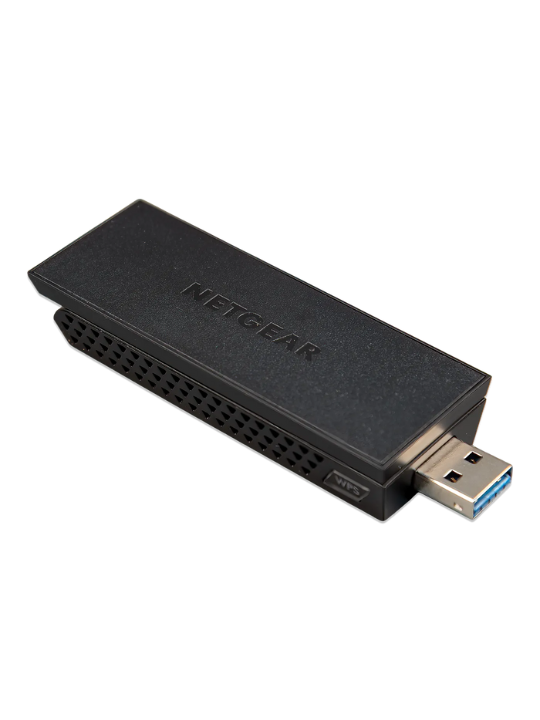
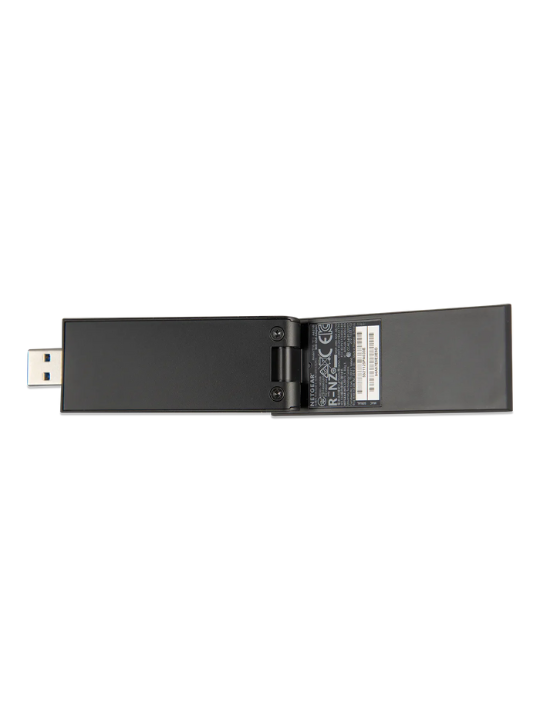
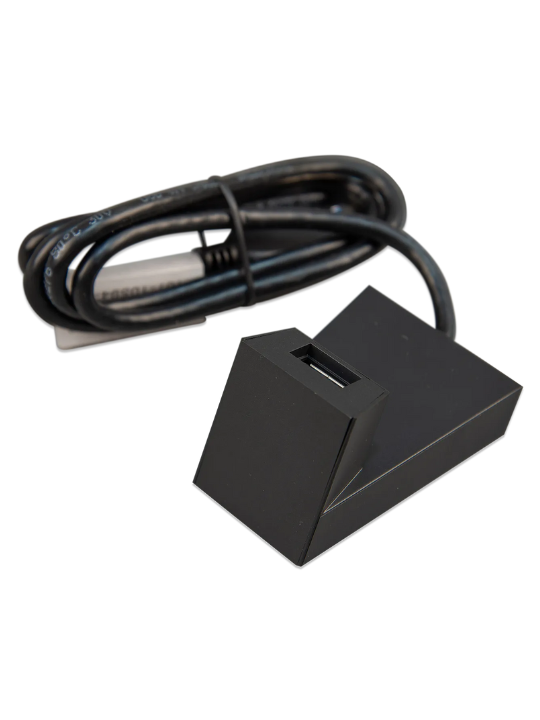
Tsh 408,100
- Designed to add Wi-Fi connectivity to GX-series units (e.g. Color Control GX / CCGX) which don’t have built-in WiFi.
- Dual-band USB WiFi adapter (2.4 GHz + 5 GHz) using 802.11ac / a / b / g / n standards for broad compatibility.
- High-power internal receiver + high-gain antenna delivers long-range, stable connection — useful for off-grid, marine, remote or weak-signal environments.
- Supports fast data rates (up to ~1200 Mbps / AC1200) — enabling reliable access for remote monitoring / remote management portals.
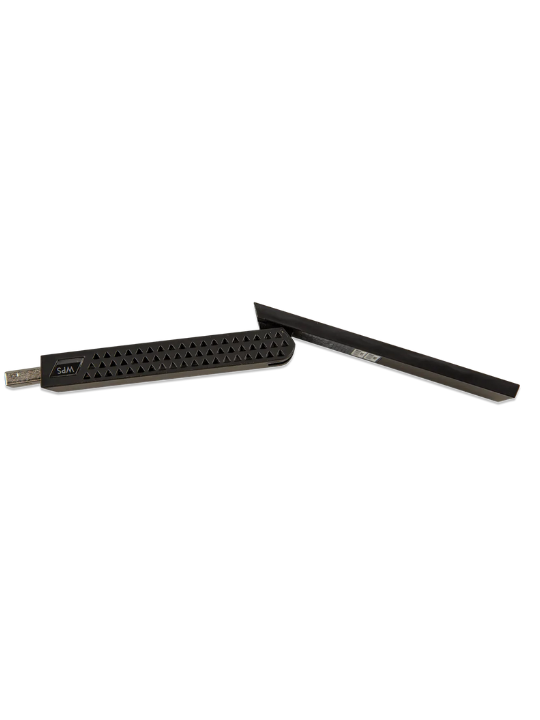
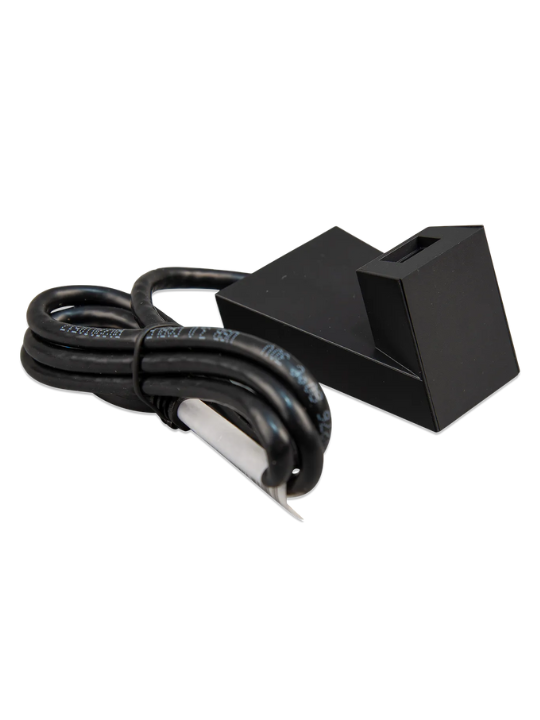
- Plug-and-play via USB; includes desktop-dock / extension cable for flexible antenna placement to maximize signal reception.
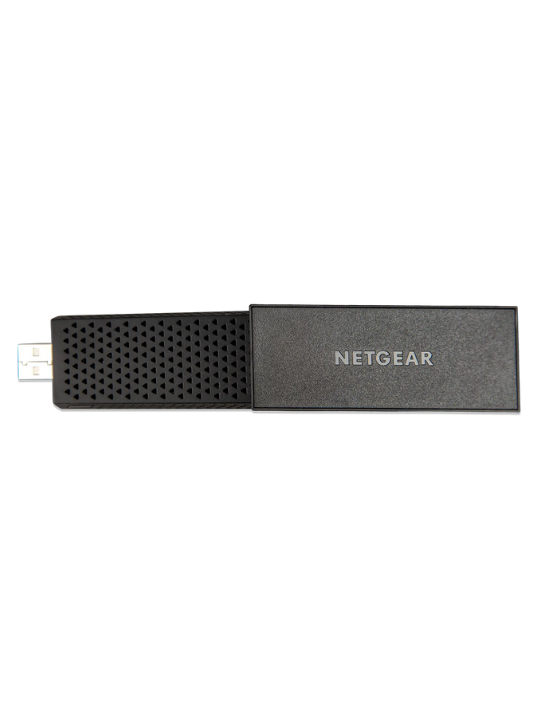
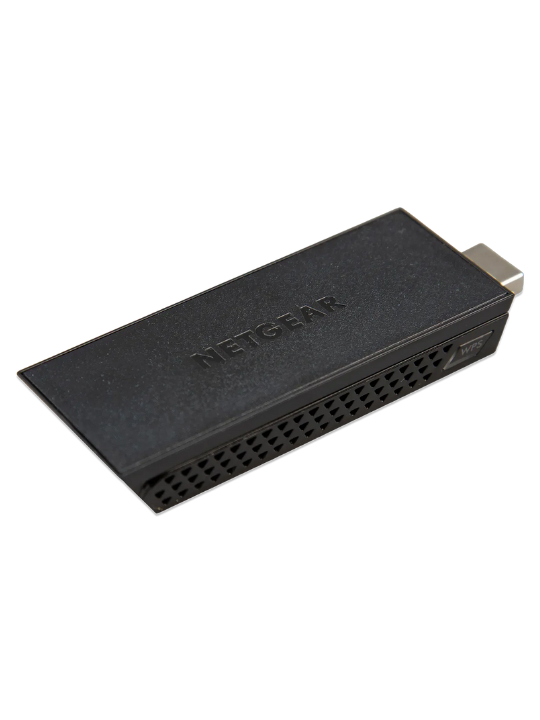
The “GX WiFi Module Long Range (Netgear AC1200)” is an external USB WiFi adapter designed specifically for use with systems from Victron Energy — for example devices such as Color Control GX (CCGX), Cerbo GX or Venus GX. Because many of these GX-series devices do not include built-in WiFi, this module provides the ability to connect them wirelessly to a local WiFi network. In effect it converts a GX-device into a “network-connected” controller — enabling internet connectivity for remote monitoring, data upload, firmware updates, and more.
Features & Benefits
- Long-range & high reception sensitivity: The external high-gain antennas and dual-band 2.4/5 GHz support make this module appropriate where the GX device is far from the router or WiFi access point, or where signal strength is weak (e.g. in large buildings, off-grid cabins, remote sites, or behind obstacles).
- High-speed & stable connection: 1200 Mbps dual-band ensures that data (especially for remote monitoring / logging) flows smoothly and reliably, reducing lag or dropouts.
- Plug-and-play simplicity: As a USB adapter, it plugs into the GX device and requires minimal configuration — just select the WiFi network and enter password via the GX’s interface.
- Compatibility with VRM / remote monitoring: For users of the Victron VRM Portal (or local network monitoring) — it enables the GX system to stay connected to the internet, enabling remote monitoring, alerts, data logging, system management, etc.
Use Cases
- Off-grid solar / hybrid power systems: In many remote or rural areas (such as parts of Tanzania), PV + battery + inverter systems might be deployed in locations without stable wired internet. This module lets system administrators connect their GX controller to a WiFi router (local WiFi, or even a mobile-hotspot/router), enabling remote monitoring and management via VRM.
- Solar installations on scattered buildings / farms / lodges: For setups where multiple buildings or distributed PV installations exist, and you want to centralize monitoring or control using a WiFi backbone rather than running ethernet cables across large areas.
- Marine / boating / caravan / remote-vehicle solar/inverter systems: Because of the long-range reception and dual-band stability, it’s also useful where signal strength fluctuates or when the router is some distance away (on a boat, remote vessel, or mobile installation). Although in Tanzania you may more likely use it for remote rural properties or off-grid houses.
- Industrial or remote facility power setups: Wherever there is an on-site power system requiring monitoring (workshops, off-grid clinics, telecom towers, remote lodges, etc.), this module can ensure connectivity even under weak-signal conditions.
- Monitoring and data logging without running cables: Simplifies installation by avoiding need for ethernet wiring — particularly helpful where drilling or cabling would be difficult or expensive.
Value Propositions
- Reliability & Stability: Compared with a basic or “short-range” WiFi dongle, this Long-Range module significantly improves signal reception and connection stability — crucial for systems that will be managed remotely or expected to run unattended for long periods.
- Flexibility & Ease of Deployment: USB, plug-and-play design — no need for complicated wiring or network infrastructure; ideal when you want to retrofit existing setups, or deploy in remote/off-grid/campus-style installations.
- Future-Proof & Versatile: Dual-band 2.4/5 GHz and broad standard support (a/b/g/n/ac) ensures compatibility with both older and newer WiFi infrastructure — useful in regions where networking hardware may vary.
- Better for Large or Distributed Installations: Where the GX controller is far from the router (distance, walls, interference), this module helps ensure connectivity.
- Essential for Remote Monitoring / Control: If you plan to use the GX system’s remote monitoring, data logging, or cloud-based services (via VRM), then a stable WiFi link is foundational — this module greatly enhances that capability.
Local Market Positioning in Tanzania
- Solar home / rural home electrification systems owners can monitor battery/inverter health via WiFi or mobile hotspot rather than traveling for manual checks.
- Small remote lodges, clinics, or farms relying on solar + battery/inverter stable remote monitoring reduces maintenance overhead, increases reliability.
- NGO / development projects deploying solar-inverter systems in remote sites easier deployment without complex wiring, and monitoring from central office via WiFi/4G routers.
- Mobile/off-grid small businesses (e.g., rural shops, small guesthouses) where power systems need to be monitored but wired internet is not feasible.
Technical Specification
| Specification | Details |
|---|---|
| Interface | USB (works best with USB 3.0, but compatible with USB 2.0 / 1.1) |
| Wireless standards supported | 802.11 a/b/g/n/ac — i.e. works with both older and modern WiFi networks |
| Frequency bands | Dual-band: 2.4 GHz and 5 GHz |
| Maximum data rate | Up to 1200 Mbit/s (as per “AC1200” dual-band spec) |
| Antennas / Reception | External high-gain antennas (usually two), designed for long-range WiFi reception and improved stability in weak-signal or distant-router scenarios. |
| Compatibility (GX devices) | Color Control GX, Cerbo GX, Venus GX (and likely other GX-series controllers that use USB-WiFi modules) |
| Encryption / Network security | Supports standard WiFi encryption protocols (WEP, WPA, WPA2) as used by GX’s WiFi support. |
| Typical packaging / inclusions | The adapter (Netgear AC1200), USB cable, sometimes a desktop dock / stand, quick installation guide. |

Save More
Keep more of your money.With our efficient online operation our savings become your savings

Free Same Day Delivery
Spend over 100,000/- with us and qualify for free delivery in Dar Es Salaam. Standard delivery is just 5,000/-*

100% Warranty Goods
Unlike other online retailers we chose our suppliers carefully ensuring genuine goods backed by genuine warranties

7 Day Return
Something faulty with your product? No problem. We will arrange for an easy pick up and refund of your order within 7 days*.
Shop with complete peace of mind.
*Only available for products delivered in Dar es Salaam
Related products

EVI Power 51.2V 100Ah LiFePO4 Wall Mounted Battery Pack with LCD Display – 5.12kWh Capacity, 80% DOD 6000+ Cycles, 5-Year Warranty (EVIA100LFP-51.2W)
Original price was: Tsh 4,830,000.Tsh 4,600,000Current price is: Tsh 4,600,000.

EVI Power 12.8V 100Ah LiFePO4 Battery with Smart BMS | 1.28kWh Lithium Iron Phosphate Solar Battery | IP65 Rated
Original price was: Tsh 820,000.Tsh 780,000Current price is: Tsh 780,000.

EVI Power 12V 100Ah Deep Cycle Solar Power Battery
Original price was: Tsh 460,000.Tsh 430,000Current price is: Tsh 430,000.

EVI Power 300W Solar Street Light – 7920lm Brightness, 50Ah Lithium Battery, 90W Solar Panel
Original price was: Tsh 530,000.Tsh 500,000Current price is: Tsh 500,000.
EVI Power 400W High-Power Solar Street Light No Sensor- 4620lm Brightness, 35AH Battery & 46W Solar Panel
Original price was: Tsh 350,000.Tsh 330,000Current price is: Tsh 330,000.

EVI Power 410W Monocrystalline Solar Panel – Half-Cell Design, High Efficiency
Original price was: Tsh 270,000.Tsh 250,000Current price is: Tsh 250,000.
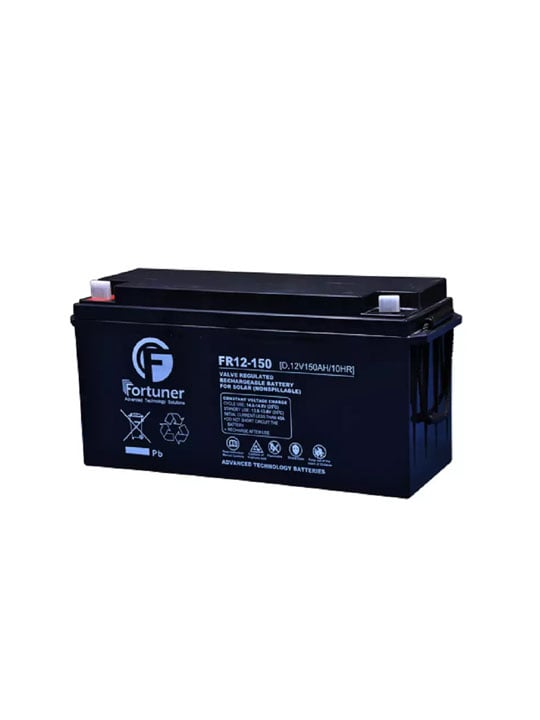
Fortuner Deep Cycle Solar Battery, 12V/150Ah AGM, Maintenance-Free – FR12-150D
Original price was: Tsh 820,000.Tsh 780,000Current price is: Tsh 780,000.
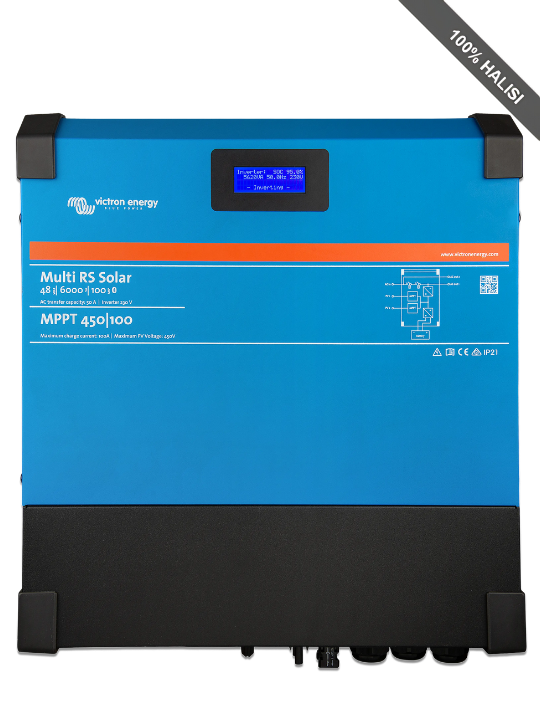
Victron Energy Multi RS Solar 6000VA Inverter/Charger 10-VIC-0408
Original price was: Tsh 6,900,000.Tsh 6,240,450Current price is: Tsh 6,240,450.