- Your cart is empty
- Continue Shopping


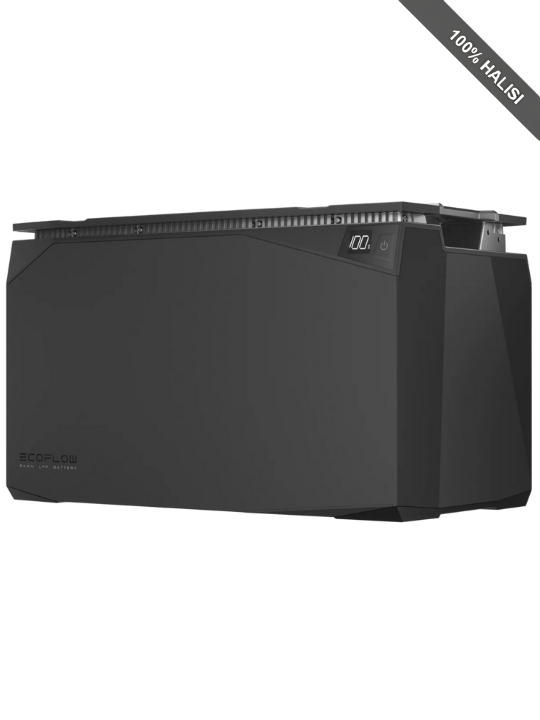
EcoFlow 5 kWh LFP Battery
EcoFlow 5 kWh LFP Battery
EcoFlow 5 kWh LFP Battery
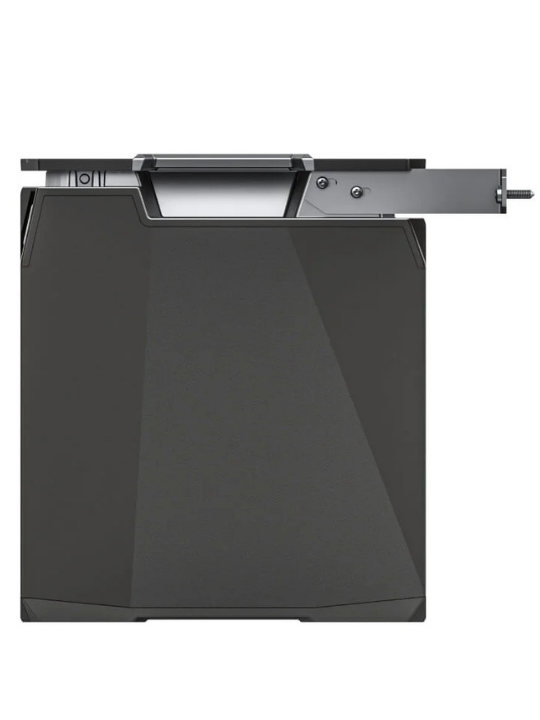
Tsh 7,804,250
- 5 kWh nominal capacity (≈ 5120 Wh, 100 Ah at 51.2 V) for substantial energy storage.
- Lithium Iron Phosphate (LiFePO₄ / LFP) chemistry for improved safety, thermal stability and long lifespan.
- Built-in auto-heating functionality enables use in temperatures as low as -4 °F (-20 °C) for cold-weather reliability.
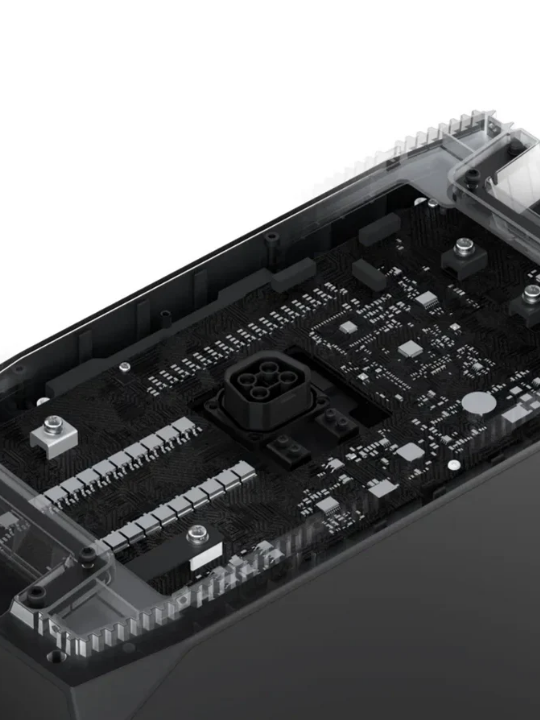
- Advanced Battery Management System (BMS) with hot-swap capability and multi-cell protection (over-voltage, under-voltage, over-current, temperature etc).
- Modular and stackable design: can stack and expand up to ~15 kWh (up to three units) for scalability.
- Long cycle life 3000-3500+ full charge/discharge cycles while maintaining ~80% capacity, offering strong durability.
- Compact footprint for its capacity—designed to fit in tighter installations like RVs, tiny homes or under seats.
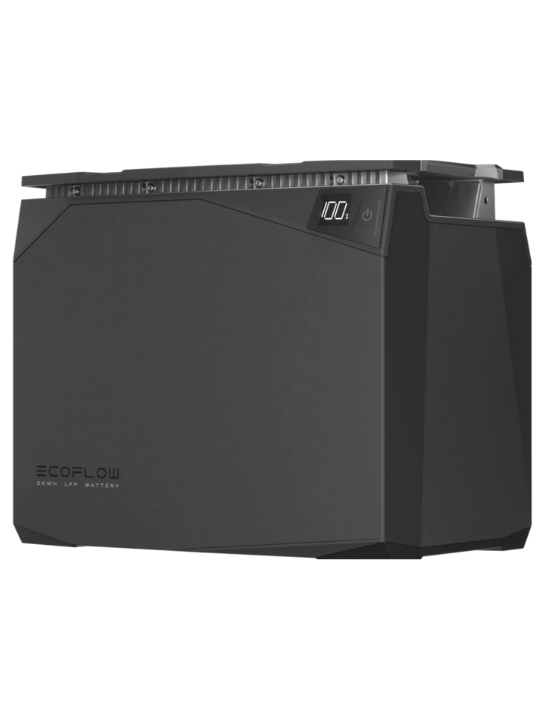
The EcoFlow 5 kWh LFP Battery (also listed as the “5kWh LFP Battery”) is a modular lithium-iron-phosphate (LiFePO₄ or LFP) home energy‐storage battery designed to work with EcoFlow’s 48 V/51.2 V systems. It is positioned as a high-quality, scalable energy storage solution that offers long lifecycle, advanced safety features and flexibility for home or small commercial backup and off-grid use. According to the official product listing, key features include built-in automatic heating (for cold environments), expansion capability (stackable up to a higher total capacity), hot-swap enabled safety, advanced battery management system (BMS) and a long service life in terms of charge cycles.
Features & Benefits
- Built-in auto‐heating: The battery has internal heating to maintain optimal cell temperature during cold conditions, allowing reliable charge/discharge even in low ambient temps (down to -4 °F in spec). This means the system is more robust in challenging climates, with less risk of damage or loss of capacity due to cold. In Tanzania, while extremely cold ambient temperatures are rare, this feature underscores robust design and may translate to better performance and durability in varying conditions (e.g., rural/high‐altitude).
- Stackable & expandable: Because the battery supports stacking and expansion (for example up to ~15 kWh with three 5 kWh units) the user has flexibility: start with one unit, then scale up as needs grow. This suits households or businesses which may want to increase backup capacity over time.
- Hot-swap enabled: This allows modules to be replaced or serviced without complete shutdown of the storage system. For critical backup or commercial use (shops, offices, clinics) this improves uptime and reliability.
- Advanced BMS (Battery Management System): The built-in BMS monitors individual cell voltages, temperatures, current flows, protects against over/under‐voltage, high/low temperature, over-current scenarios, etc. This ensures battery safety, longevity and predictable performance.
- Long lifecycle: With a claim of 3,000+ or 3,500+ full charge cycles to ~80% capacity, the battery is designed to serve many years. For example at one full cycle per day that’s ~8–10 years plus; in backup use (less frequent cycling) the useful life could stretch significantly. This means lower total cost of ownership over time.
- High quality LFP chemistry: LiFePO₄ chemistry is generally safer (less thermal runaway risk), stable, and has long cycle life compared to older lithium chemistries. This adds value in safety & longevity.
- Modular design & compatibility: The battery is designed to integrate with EcoFlow’s ecosystem of power kits, inverters, solar generation systems, making it easier to build a complete energy solution.
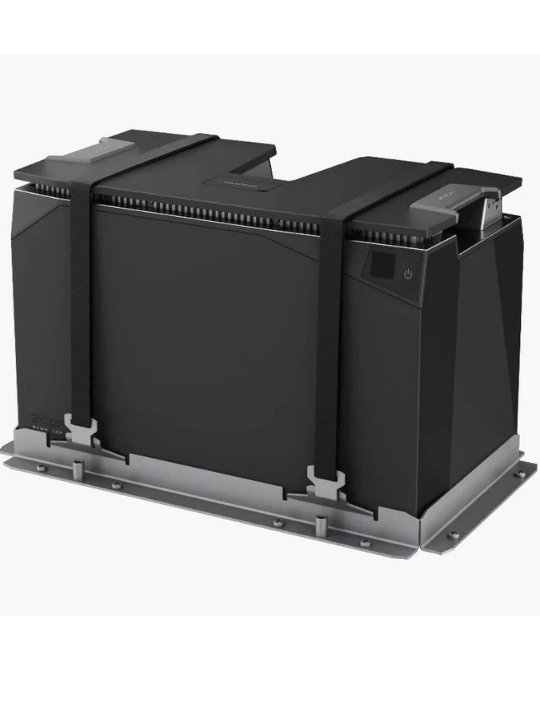
- Robust build / indoor or wall‐mounted: With decent dimensions and mounting options (wall mount clamp included) the battery is designed for residential or light commercial installations.
- Future‐proofing: The ability to scale up capacity naturally aligns with growing energy storage needs (e.g., adding solar panels, increasing backup loads) without complete overhaul.
Use Cases
- Residential backup power : In homes where grid outages are frequent (or where grid supply is unreliable), this battery can be used to store solar energy or act as a UPS backup. For example: power critical loads (lights, fridge/freezer, small AC units or fans, communication equipment) during an outage.
- Solar-plus-storage systems : For households or small businesses using solar panels, the battery allows storing excess solar power during daytime for use at night or to reduce peak grid draw. The expandability means the system can grow as solar capacity grows.
- Small commercial or business use : Shops, clinics, restaurants, offices in Tanzania that need reliable backup power or want to manage energy costs can use this battery to maintain operations when grid fails or to shift loads. The hot-swap and high cycle life are valuable in such contexts.
- Off-grid cabins, rural homes or remote installations : For locations with no or very unreliable grid, a modular battery storage system provides autonomy. Even though climate in Tanzania is not extremely cold, the robust design means the battery can tolerate varying temperatures, which is good for less controlled environments.
- Future-ready energy infrastructure : For developers, real-estate projects or investment into micro-grids or community energy solutions, the modular battery gives a building block for larger deployments (starting small and scaling).
Value Propositions
- Reliability in unstable grid environments : In many areas of Tanzania, power outages (load-shedding) and unstable voltage/frequency are real issues. A high-quality storage battery allows households and businesses to maintain continuity of power, improve resilience and avoid disruptions (especially critical loads like refrigeration, lighting, communications).
- Cost savings & energy independence : If paired with solar PV (which is increasingly affordable), users can store solar energy during the day and use it at night or during outages, reducing reliance on diesel generators or expensive grid electricity. Over time the cost savings vs. diesel or unreliable grid can justify the investment.
- Long service life & low maintenance : The LFP battery chemistry, robust BMS and long cycle life mean lower replacement risk and total cost of ownership over many years, which is attractive in markets where maintenance or replacements can be troublesome.
- Modular scalability : Users can start with one 5 kWh unit and expand later as needs grow or budget allows. In a growing market like Tanzania, this flexibility is appealing for gradually upgrading infrastructure.
- Safe technology : The advanced safety features (BMS, hot‐swapping, self-heating in case of cold) reassure users about durability and safety – important when importing premium equipment into a market where installations may face harsh conditions (heat, dust, humidity, variable ambient).
- Support for business/commercial applications : Rather than just households, the battery is suitable for off-grid shops, lodges, clinics etc, offering business continuity a strong selling point.
- Brand & technology premium : As a product from a known brand (EcoFlow) with modern features, it can be positioned as a premium, high-quality option, appealing to those who want reliability and future-proofing rather than lowest cost only.
Local Market Positioning in Tanzania
- Target segments: Urban homeowners with frequent outages and moderate loads → start with 5 kWh to cover essentials.Small businesses (shops, cafés, clinics, tourist lodges) where power continuity is mission-critical.Solar installers/resellers who want to offer modular storage alongside PV systems and inverters.Remote/rural homes transitioning from diesel generators or off-grid setups.
- Installation & system design: Emphasize that battery is part of a complete system — in Tanzania you’ll need compatible inverter/charger, wiring, mounting, maybe solar panels, and qualified installer.Train installation partners about safe setup, ventilation, temperature considerations (even though built-in heating is more for cold than heat).Consider ambient temperature, humidity, dust — ensure indoor or sheltered installation, proper ventilation, dust protection.Provide local technical support, availability of spare parts/cables and clear warranty terms.
- Cost vs benefit understanding: Upfront cost will be higher than basic lead-acid or imported generic batteries, so emphasize lifecycle value: lower replacement cost, fewer maintenance issues, better performance.Quantify value how many hours of backup for what loads, estimate cost of outages or diesel alternatives, show payback timeframe (2–5 years depending on usage).Demonstrate modular expansion start small and grow. Many customers may not need full sized system yet but want future-proofing.
- Marketing message: Focus on reliability (“be prepared for whatever the grid throws at you”), flexibility (“grow your storage as your needs grow”), safety (“modern LiFePO₄ + smart protection”), and long-term value.Show real world case studies in local context: e.g., off-grid lodges using solar + battery, urban homes switching from generator to battery backup, small business avoiding downtime.Highlight “premium, built to last” vs cheap imports that may fail or degrade quickly — important in market where many users have experienced battery failures or maintenance headaches.
- Local logistics & support:Ensure import duties, shipping, local certifications (if applicable) are clearly handled.Provide local warranty / servicing partner. In Tanzania it is beneficial to have local stock, installation partners, and spare parts, because downtime or delays reduce value.Training for installers: correct wiring, integration with inverter/charger, safety, ventilation, monitoring.Consider local financing options or payment plans; many households or businesses may prefer incremental payment.
- Competitive landscape: Compare with other battery types: cheaper lead-acid equivalents, other lithium brands, flow-batteries, etc. EcoFlow’s advantages: LFP chemistry, longer life, modular expansion, brand reputation.Clarify differentiation built-in heating may not be as relevant in Tanzania (warm climate) but the robust design still signals quality.Manage price expectations premium cost, but gauge what the target market is willing to pay for reliability and long service life.
- Use‐case sizing guidance: For typical Tanzanian home e.g., fridge ~1 kWh/day, lights/fans/TV ~2 kWh/day. A 5 kWh battery could cover ~1–2 days of backup (depending on loads) or enable partial solar self‐consumption.For business estimate critical loads (POS systems, lighting, refrigeration, communications) then size battery + solar accordingly. The expandability to ~15 kWh means you can scale from one unit to three as needs grow.
Technical Specification
| Feature | Specification |
|---|---|
| Chemistry | LiFePO₄ (Lithium Iron Phosphate) |
| Nominal Capacity | 5 kWh (≈ 5120 Wh) |
| Stackable / Expandability | Stackable units up to 15 kWh (i.e., 3× the 5 kWh unit) |
| Auto-Heating Capability | Built-in self-heating to operate safely in temperatures as low as –4 °F (–20 °C) |
| Hot-Swap Enabled | Yes; supports hot-swap for safe operation and maintenance |
| Cycle Life | ~3,000+ cycles (or higher, e.g., 3,500+ at 100% charge cycles) as claimed |
| Rated Voltage | 51.2 V (according to some spec listings) |
| Weight | 14.50 kg |
|---|

Save More
Keep more of your money.With our efficient online operation our savings become your savings

Free Same Day Delivery
Spend over 100,000/- with us and qualify for free delivery in Dar Es Salaam. Standard delivery is just 5,000/-*

100% Warranty Goods
Unlike other online retailers we chose our suppliers carefully ensuring genuine goods backed by genuine warranties

7 Day Return
Something faulty with your product? No problem. We will arrange for an easy pick up and refund of your order within 7 days*.
Shop with complete peace of mind.
*Only available for products delivered in Dar es Salaam
Related products
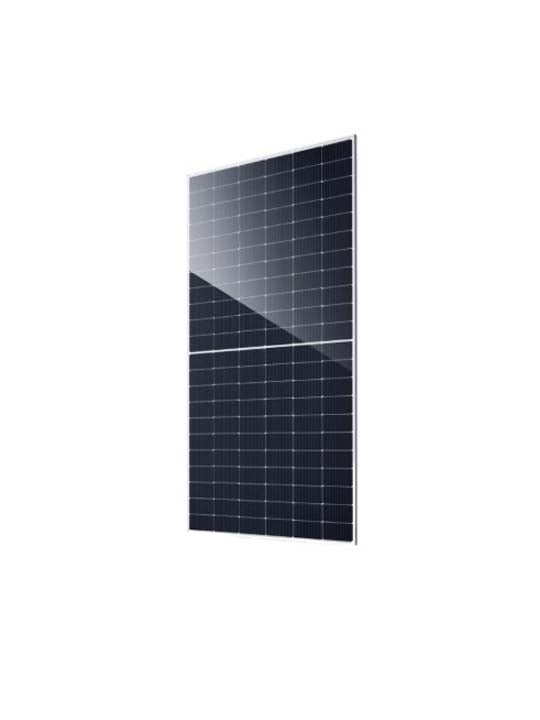
JA Solar 1500V Bifacial Solar Panel, 575W N-Type Double Glass, Silver Frame – JAM66D42-575/MB
Original price was: Tsh 270,000.Tsh 250,000Current price is: Tsh 250,000.

EVI Power 3.6kW Smart Hybrid Solar Inverter 24V, MPPT Charger, WiFi – EVI-SM3600-24
Original price was: Tsh 2,000,000.Tsh 1,880,000Current price is: Tsh 1,880,000.

EVI Power 6000VA/6000W Pure Sine Wave Professional Hybrid Solar Inverter with MPPT Technology – 48VDC Battery Compatible, WiFi Monitoring, Parallel Operation
Original price was: Tsh 3,020,000.Tsh 2,870,000Current price is: Tsh 2,870,000.

EVI Power 300W Solar Street Light – 7920lm Brightness, 50Ah Lithium Battery, 90W Solar Panel
Original price was: Tsh 530,000.Tsh 500,000Current price is: Tsh 500,000.
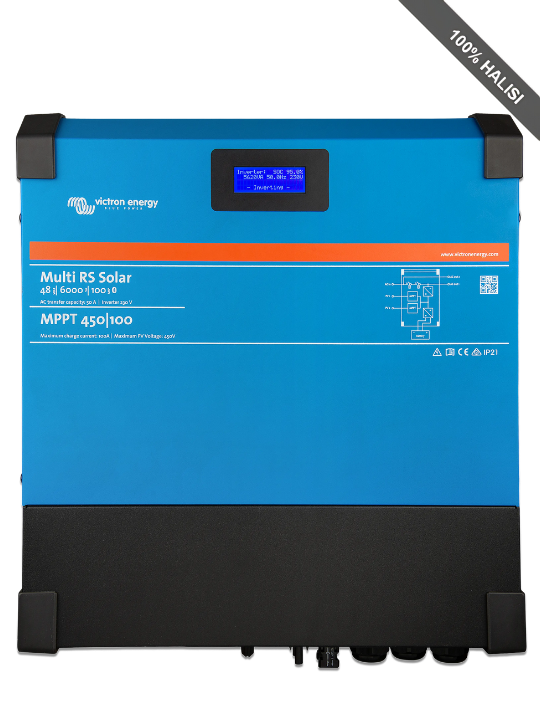
Victron Energy Multi RS Solar 6000VA Inverter/Charger 10-VIC-0408
Original price was: Tsh 6,900,000.Tsh 6,240,450Current price is: Tsh 6,240,450.
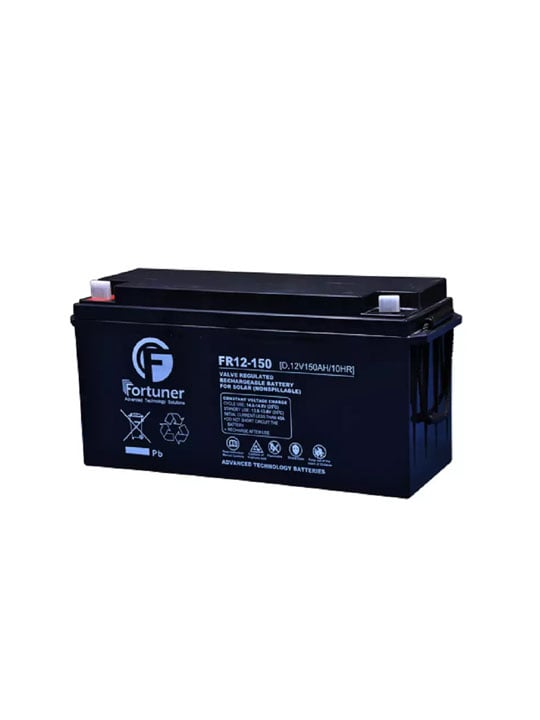
Fortuner Deep Cycle Solar Battery, 12V/150Ah AGM, Maintenance-Free – FR12-150D
Original price was: Tsh 820,000.Tsh 780,000Current price is: Tsh 780,000.

EVI Power 48V 105Ah LiFePO4 Rack Mounted Battery Module – 5.04kWh Energy Storage System, 6000+ Cycles at 80% DOD, 5-Year Warranty
Original price was: Tsh 4,430,000.Tsh 4,210,000Current price is: Tsh 4,210,000.

EVI Power 12V 100Ah Deep Cycle Solar Power Battery
Original price was: Tsh 460,000.Tsh 430,000Current price is: Tsh 430,000.