- Your cart is empty
- Continue Shopping


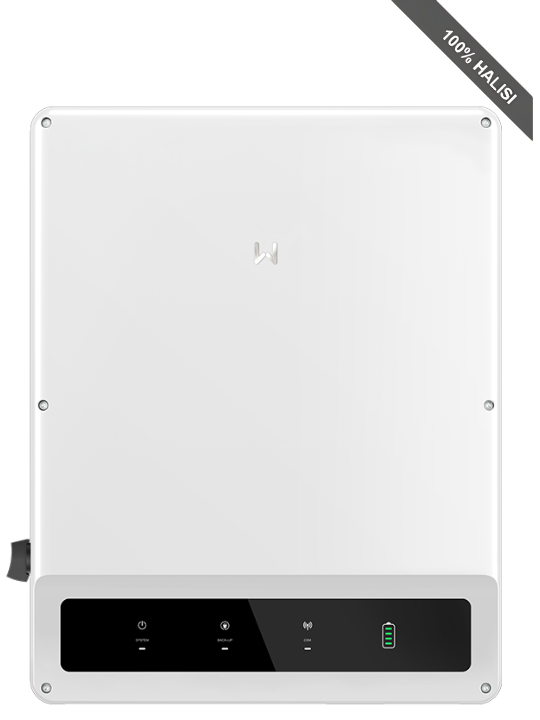
GoodWe – ET Series 3p Hybrid Inverter 15kw to 30kw
GoodWe – ET Series 3p Hybrid Inverter 15kw to 30kw
GoodWe – ET Series 3p Hybrid Inverter 15kw to 30kw
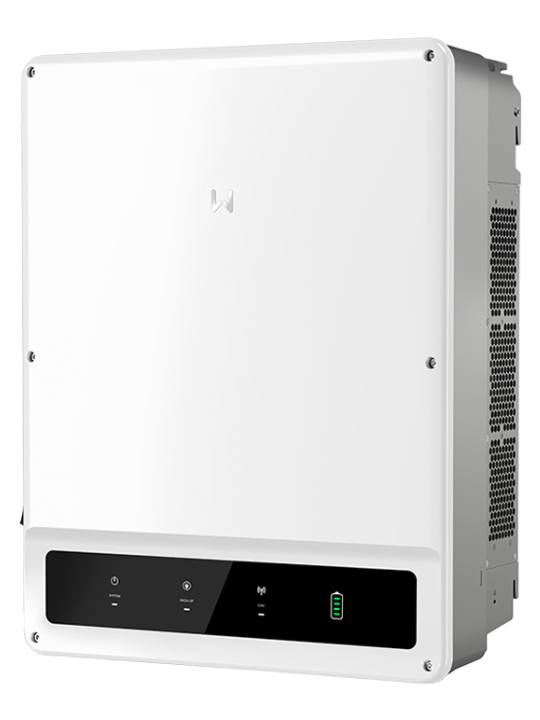
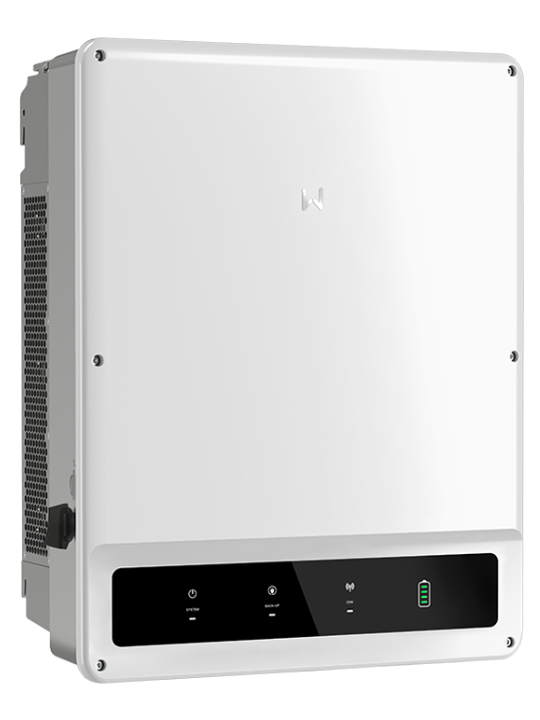
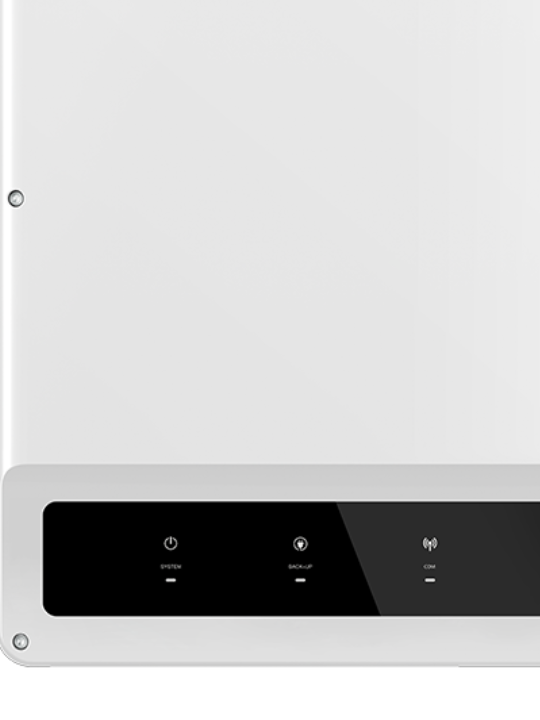
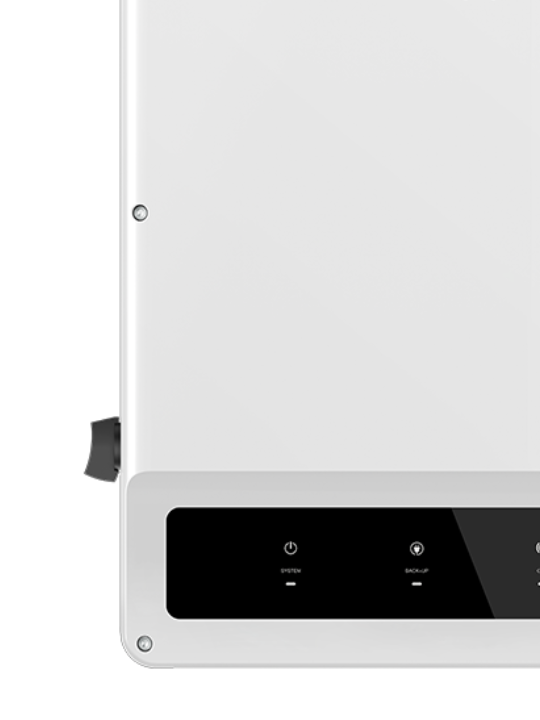
- Hybrid high-voltage design (battery voltage range 200-800 V) supports robust energy storage.
- Up to 150% DC input oversizing for higher energy harvest from high-power PV modules.
- Maximum efficiency up to ~98% for improved performance.
- Integrated dry contact for external load control (e.g., heat pumps) and peak-shaving function to optimize grid import.
- Excellent safety features: Type II SPD on DC side, optional AFCI, IP66 protection, suitable for demanding installations.
- Flexible installation: supports up to 3 MPPTs, wide voltage string input range (200-850 V), plug-and-play friendly form factor.
The GoodWe ET Series (15–30 kW, three-phase) is a high-voltage hybrid inverter built to serve as the central hub of energy storage systems in large residential properties or small commercial/industrial installations.It supports both PV input and battery storage, offering backup power and smart load-management features, such as peak shaving and external load control.In markets like Tanzania — where energy reliability, cost control, and self-consumption are important — this inverter presents a compelling solution.The series is designed with features that support autonomy (less reliance on grid), load optimisation (less imported power peaks), and battery flexibility (wide voltage range; compatible with many battery systems).
Features & Benefits
- Hybrid Inverter with Battery Storage Capability : The ET series is designed as a high-voltage hybrid inverter which means it supports PV input and battery storage input, enabling energy to be stored and used when needed (not only exported). This gives autonomy and backup options for homes and businesses.
- Peak Shaving / Load Management : The inverter supports peak shaving: it monitors power demand vs grid import and can manage loads to minimise high import peaks. This is especially relevant where grid tariffs penalise high demand or where grid reliability is variable.
- Dry Contact for External Load Activation : There is integrated dry contact output in the inverter so you can drive external loads (e.g., heat pumps, external battery chargers, EV chargers) when conditions are right (e.g., when excess solar or stored energy is available). This enables smarter consumption.
- High PV Input Flexibility : With up to 150% (or even up to 200% in some regional variants) DC input oversizing, and high voltage input (up to 1000 V), the system allows larger arrays or future expansion, better utilisation of solar modules in Tanzania (where solar irradiation is high) and flexibility in design.
- Backup / Emergency Power Capability : The documentation mentions “back-up nominal apparent power” and the ability to continue powering critical loads in case of grid failure, essentially giving UPS-level switching times (<10 ms) in many cases.
- Safety & Reliability Features : Integrated DC side Type II SPD (surge protection) to protect from lightning or overvoltage, optional AFCI (Arc Fault Circuit Interrupter) for extra safety. Built to high ingress protection (IP65/66) rating.
- Monitoring & Smart Control : Built-in communications (RS485, CAN, WiFi, optionally 4G depending on region) allow monitoring of system performance, battery status, PV generation, grid import/export.
Use Cases
- Large Residential Installations: For homes with significant electricity demand (multiple air-conditioners, pumps, swimming pool equipment, EV charger) and/or interest in self-consumption of solar + storage. The 15-30 kW range is a good fit for luxury homes, estates, or multi-unit homes in Tanzania.
- Small Commercial & Industrial: Small workshops, guest houses, lodges, hotels, or restaurants with patio/heater loads, whose operators wish to reduce peak demand charges, back up against blackouts, and integrate solar + battery to cut energy costs.
- Backup and Off-Grid / Weak-Grid Scenarios: In areas of Tanzania where grid reliability is variable, or where grid import tariffs are high, the hybrid inverter supports backup loads and battery storage to ride through outages and reduce grid dependency.
- Load Management & Demand Control: In Tanzania, where high power tariffs or maximum demand charges may apply (or where diesel generators are used as backup), the peak shaving and dry contact features allow the operator to keep grid import under control, switching non-critical loads to stored energy when needed, thereby reducing costs.
- Future-Proof Expansion: With high DC input capacity and battery compatibility, installs can be designed for expansion — e.g., installing now the inverter and solar array, and adding battery modules later, or increasing PV array size as budget allows.
Value Propositions
- Versatility: Combines solar + storage + grid interaction in one device, avoiding need for separate inverter + charger unit.
- High DC Input & Oversizing: Allows generous PV array sizing, which is beneficial in high-irradiance markets like Tanzania.
- Robust for harsh conditions: IP65/66 protection, wide operating temperature (-35°C to +60°C) → suitable for East African climate with heat, dust, humidity.
- Backup & Autonomy: The ability to deliver backup power and manage loads gives real value to customers worried about outages or high demand charges.
- Smart Load Control: The dry contact output for external load activation is a competitive edge, enabling systems that dynamically utilise excess solar or storage instead of exporting to grid only.
- Global Brand & Support: GoodWe is a recognised solar inverter brand, meaning potential local support, reliability, and resale value.
Local Market Positioning in Tanzania
- Target Segment: Upper-end residential, lodges/resorts, small industry, commercial units — customers who can invest in a 15 kW+ system and want value from storage, backup, and smart energy management.
- Competitive Advantages: Against simpler on-grid solar inverters, this model offers storage readiness and backup capability — a strong proposition in Tanzania where grid reliability may be an issue. Against large industrial units, this is sized appropriately for smaller commercial/industrial and high-end residential.
- Pricing Strategy: Should be positioned as premium hybrid inverter offering long-term savings, rather than simply lowest cost. Highlight total cost of ownership benefits: lower grid demand charges, possibility to minimise diesel generator use, increased self-consumption, reduced grid dependency.
- Installation & Support Considerations: Emphasize that the inverter needs a compatible high-voltage battery system (200-800 V), appropriate PV array sizing (strings, MPPTs), and that certified installers are recommended. In Tanzania, highlight local installer readiness, warranty terms, availability of parts/spares, and local climate suitability (dust, heat).
- Marketing Message: “Empower your home or business with solar + storage + backup, reduce your reliance on the grid, control your costs, and be future-ready.” Emphasize the freedom (autonomy), financial savings (peak shaving & self-consumption), and reliability (backup power).
- Differentiation: In a market where many systems may still be basic grid-tie only, the ET Series stands out by offering hybrid operation, load-management, high input flexibility and backup. For lodges, hotels and businesses, the ability to keep essential loads running during outages is a strong differentiator.
- Partnering Advice: Work with local solar system integrators, battery vendors, and highlight that the system is scalable — for example, future battery expansion, adding more PV modules, etc. Also, ensure compatibility with local grid voltage (typically 380/400 V three phase) and local regulatory/tariff conditions.
Technical Specification
| Parameter | GW15K-ET | GW20K-ET | GW25K-ET | GW30K-ET |
|---|---|---|---|---|
| Battery Type | Li-Ion | Li-Ion | Li-Ion | Li-Ion |
| Nominal Battery Voltage (V) | 500 | 500 | 500 | 500 |
| Battery Voltage Range (V) | 200 ~ 800 | 200 ~ 800 | 200 ~ 800 | 200 ~ 800 |
| Max. Continuous Charging Current (A) | 50 | 50 | 50 × 2 | 50 × 2 |
| Max. Continuous Discharging Current (A) | 50 | 50 | 50 × 2 | 50 × 2 |
| Max. Charging Power (W) | 15 000 | 20 000 | 25 000 | 30 000 |
| Max. Discharging Power (W) | 15 000 | 20 000 | 25 000 | 30 000 |
| Max. Input Power (W) | 22 500 | 30 000 | 37 500 | 45 000 |
| Max. Input Voltage (V) | 1 000 | 1 000 | 1 000 | 1 000 |
| MPPT Operating Voltage Range (V) | 200 ~ 850 | 200 ~ 850 | 200 ~ 850 | 200 ~ 850 |
| Start-up Voltage (V) | 200 | 200 | 200 | 200 |
| Nominal Input Voltage (V) | 620 | 620 | 620 | 620 |
| Max. Input Current per MPPT (A) | 30 | 30 | 30 | 30 |
Additional Information
| Weight | N/A |
|---|

Save More
Keep more of your money.With our efficient online operation our savings become your savings

Free Same Day Delivery
Spend over 100,000/- with us and qualify for free delivery in Dar Es Salaam. Standard delivery is just 5,000/-*

100% Warranty Goods
Unlike other online retailers we chose our suppliers carefully ensuring genuine goods backed by genuine warranties

7 Day Return
Something faulty with your product? No problem. We will arrange for an easy pick up and refund of your order within 7 days*.
Shop with complete peace of mind.
*Only available for products delivered in Dar es Salaam
Related products

EVI Power 3.6kW Smart Hybrid Solar Inverter 24V, MPPT Charger, WiFi – EVI-SM3600-24
Original price was: Tsh 2,000,000.Tsh 1,880,000Current price is: Tsh 1,880,000.
EVI Power 6kVA Smart Hybrid Solar Inverter 48V, Pure Sine Wave, MPPT Charger, WiFi – EVI-SM6000-48
Original price was: Tsh 3,000,000.Tsh 2,810,000Current price is: Tsh 2,810,000.

EVI Power 15000VA/15000W Hybrid Solar Inverter – 3-Phase, Dual MPPT, IP65, WiFi Monitoring
Original price was: Tsh 8,880,000.Tsh 8,080,000Current price is: Tsh 8,080,000.

Tripp Lite 1250W APS X Series 12VDC 230V Inverter/Charger with Auto Transfer Switching
Original price was: Tsh 1,000,000.Tsh 950,000Current price is: Tsh 950,000.