- Your cart is empty
- Continue Shopping


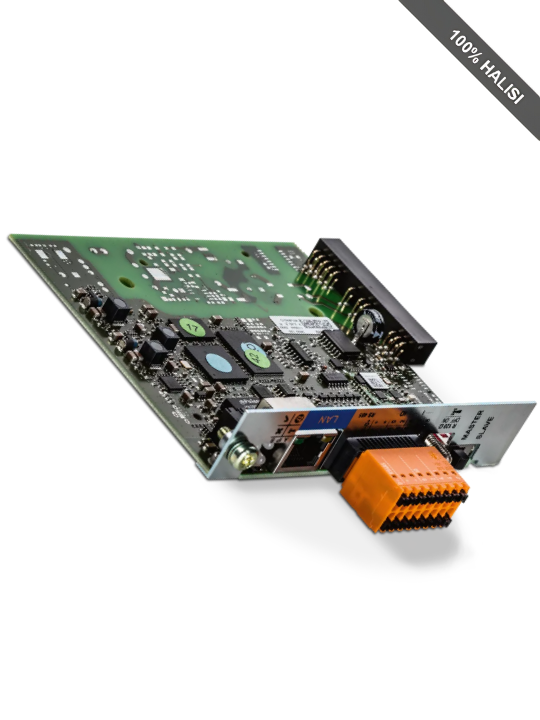
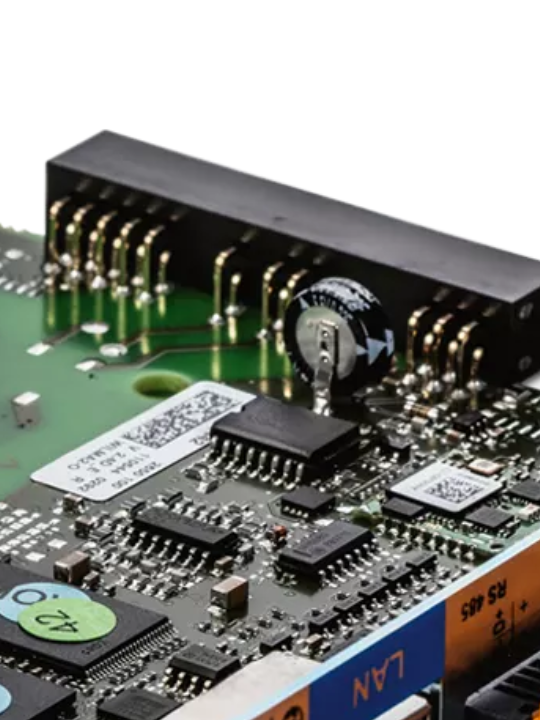
Fronius – Datamanager 2.0 WLAN For Symo/Primo/Eco
Fronius – Datamanager 2.0 WLAN For Symo/Primo/Eco
Fronius – Datamanager 2.0 WLAN For Symo/Primo/Eco
Original price was: Tsh 880,000.Tsh 837,400Current price is: Tsh 837,400.
- Compatible with Fronius Symo, Primo, and Eco inverters
- Enables real-time monitoring via Fronius Solar.web portal
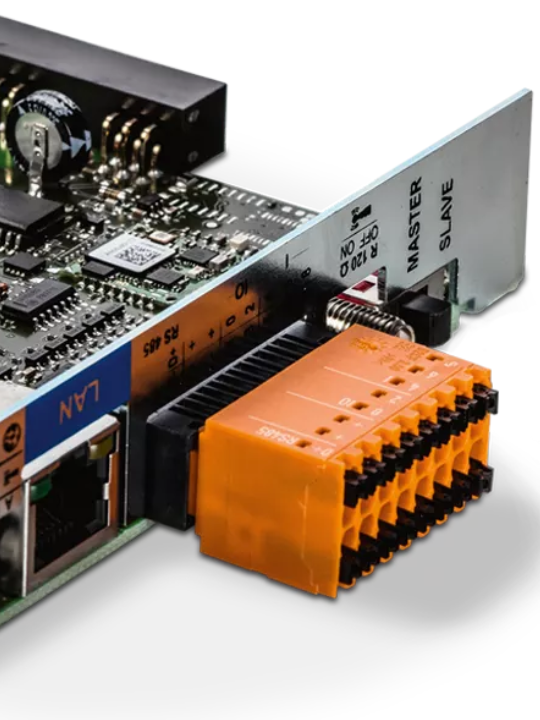
- Supports both WLAN and Ethernet connectivity
- Easy retrofit installation for LIGHT inverter versions
- Provides full system data logging and remote diagnostics
- Enhances energy management and performance tracking
- Ideal for both residential and commercial PV systems in Tanzania
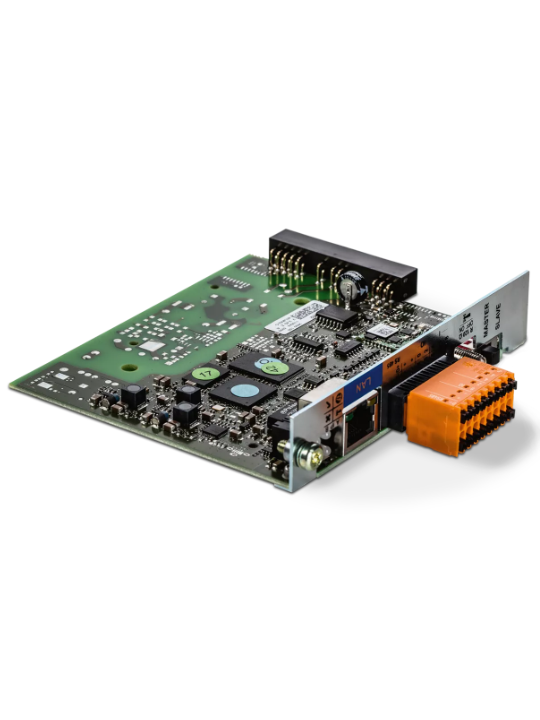
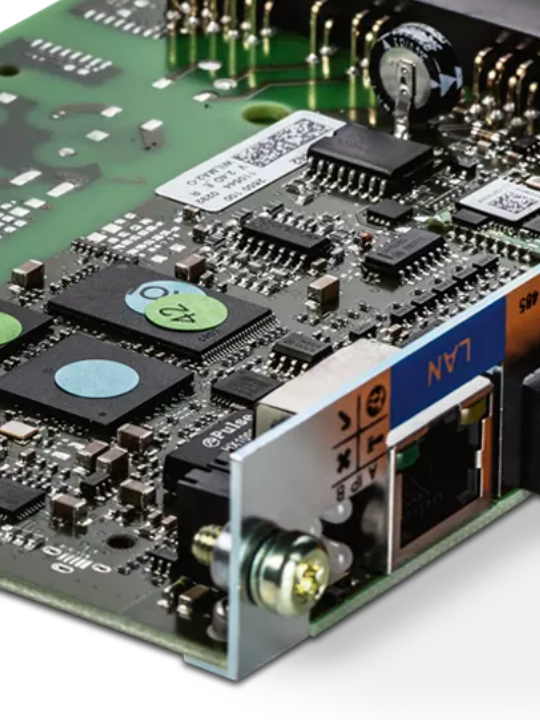
The Fronius Datamanager 2.0 WLAN is essentially a communication / data‐logging add-on (or built-in module on later units) for Fronius inverters—specifically the Galvo, Symo, Primo, Eco lines. It enables internet connectivity (via LAN or WiFi/WLAN), remote monitoring, and integration with both Fronius’ online tools (like Solar.web) as well as third-party systems through standard protocols.
Features & Benefits
- Comprehensive System Monitoring: Provides real-time data on your solar PV system’s performance, including energy production, efficiency, and operational status.
- Internet Connectivity via WLAN: Connects your inverter to the Fronius Solar.web online portal, allowing easy remote monitoring and management from anywhere.
- Retrofit Compatibility: Can be added to existing Symo, Primo, and Eco inverters without replacing the unit, making upgrades simple and cost-effective.
- User-Friendly Interface: Fronius Solar.web presents data in an intuitive and visual format, enabling quick analysis of system performance.
- Enhanced Energy Management: Helps identify potential issues, optimize energy usage, and increase system efficiency for both residential and commercial setups.
- Scalable Solution: Ideal for Tanzanian households and businesses looking to expand or enhance their solar PV monitoring capabilities.
- Reliable Brand Support: Fronius is a trusted global leader in solar technology, offering dependable performance and long-term service.
Use Cases
- Residential rooftop PV systems in Tanzania: Homeowners with Fronius Symo/Primo/Eco inverters who want to monitor system output, track savings, and ensure their investment is performing as expected.
- Commercial installations (shops, offices, small factories): Operators can monitor system health remotely, integrate with local load management (via digital I/Os), and report performance metrics.
- Solar installers & service providers: Use the Datamanager to provide value-added monitoring services, warranties, and maintenance contracts—adding a service offering to customers.
- Micro-grid or off-grid hybrid installations: Even where grid connectivity is intermittent, the Datamanager can provide stored data for system review and analysis when internet is available.
- Energy monitoring / Smart building integrations: Where a facility has a Fronius inverter, this card enables integration of the PV data into overall building energy management systems (via Modbus/SunSpec) for holistic monitoring.
Value Propositions
- Local relevance: Tanzania’s solar market is growing rapidly—whether for grid-tied, mini-grid or commercial rooftop systems. A monitoring device like the Datamanager offers Tanzanian customers stronger control and confidence in their solar investment.
- Better ROI visibility: In Tanzania, where utility tariffs, feed-in-tariffs or self-consumption savings are key, being able to monitor real-time performance helps system owners understand and maximise their return on investment.
- Risk mitigation: High ambient temperatures, dust, grid instability and intermittent connectivity are realities in Tanzania. The Datamanager’s robustness (-20 °C to +65 °C) and ability to log large periods of data reduce risk and help in proactive maintenance.
- Up-gradable for existing systems: Many installations may already have a Fronius inverter without full monitoring capability. This card gives an affordable upgrade path—avoiding full inverter replacement, which is particularly relevant in cost-sensitive Tanzanian market.
- Service differentiation for installers: Local installers in Tanzania can differentiate themselves by offering professional monitoring and service contracts enabled by this device, thereby building recurring revenue and customer trust.
- Future-proofing & integration: As Tanzania moves toward smarter grids, energy monitoring and management (including demand-side management) will become more important. The Datamanager’s compatibility with protocols like SunSpec ensures installations are ready for future integration.
Local Market Positioning in Tanzania
- Target segments: Residential homeowners (urban and peri-urban), commercial/industrial rooftops (Dar es Salaam, Mwanza, Arusha), solar installers and EPC companies, mini-grid developers.
- Pricing/Value message: Positioned as a premium add-on accessory rather than a mandatory component—emphasise value via performance monitoring, lifetime data, maintenance savings and resale value.
- Distribution & support: Ensure local supply of the card, installer training on commissioning and Solar.web portal, post-sales support for Tanzanian conditions (dust, heat, network connectivity).
- Competitive differentiation: Many PV systems in Tanzania may lack advanced monitoring. Fronius with the Datamanager differentiates on premium monitoring, brand reliability and upgradeability. Position as “smart premium add-on” rather than basic inverter accessory.
- Challenges to address: Internet connectivity in some locations may be intermittent—highlight offline data storage (4,096 days) and queuing of data when connection returns. Also emphasise installer must ensure network setup (WiFi/LAN) and antenna positioning for optimal performance.
- Regulatory/market trends: With Tanzania’s focus on renewable energy and solar uptake, monitoring becomes a value-added service. Show customers that under feed-in or net-metering regimes they can audit performance and ensure compliance.
Technical Specification
| Parameter | Specification |
|---|---|
| Storage capacity | max. 4 096 days |
| Supply voltage | 12 V DC (power supplied by the inverter) |
| Energy consumption | < 2.0 W |
| Operating temperature range | -20 °C to +65 °C |
| Compatible inverters / retrofit | Designed for use with the Fronius Symo, Primo, Eco (and Galvo) series; part number 4.240.038 (for Galvo/Primo/Symo) |
| Weight | 1 kg |
|---|

Save More
Keep more of your money.With our efficient online operation our savings become your savings

Free Same Day Delivery
Spend over 100,000/- with us and qualify for free delivery in Dar Es Salaam. Standard delivery is just 5,000/-*

100% Warranty Goods
Unlike other online retailers we chose our suppliers carefully ensuring genuine goods backed by genuine warranties

7 Day Return
Something faulty with your product? No problem. We will arrange for an easy pick up and refund of your order within 7 days*.
Shop with complete peace of mind.
*Only available for products delivered in Dar es Salaam
Related products

EVI Power Black Flexible 6mm² Solar Cable Per Meter MOQ Divisible by 10
Original price was: Tsh 15,000.Tsh 12,000Current price is: Tsh 12,000.

EVI Power 410W Monocrystalline Solar Panel – Half-Cell Design, High Efficiency
Original price was: Tsh 270,000.Tsh 250,000Current price is: Tsh 250,000.

EVI Power 300W Solar Street Light with Motion Sensor & Remote Control – 410 Lumens, 7Ah Lithium Battery, Weather Resistant
Original price was: Tsh 140,000.Tsh 135,000Current price is: Tsh 135,000.

EVI Power 8-Way Solar PV Combiner Box with DC SPD, 32A 500V Protection System, 2-Input Solar Array Combiner
Original price was: Tsh 260,000.Tsh 240,000Current price is: Tsh 240,000.

EVI Power 3.6kW Smart Hybrid Solar Inverter 24V, MPPT Charger, WiFi – EVI-SM3600-24
Original price was: Tsh 2,000,000.Tsh 1,880,000Current price is: Tsh 1,880,000.

EVI Power 12V 200Ah Deep Cycle Solar Power Battery
Original price was: Tsh 1,000,000.Tsh 950,000Current price is: Tsh 950,000.

EVI Power 12.8V 100Ah LiFePO4 Battery with Smart BMS | 1.28kWh Lithium Iron Phosphate Solar Battery | IP65 Rated
Original price was: Tsh 820,000.Tsh 780,000Current price is: Tsh 780,000.

EVI Power DC Fuse Holder With Fuse, 2 Pole 30A
Original price was: Tsh 50,000.Tsh 38,000Current price is: Tsh 38,000.